Maintenance, repair and operations
The parts a working day stops without
We source MRO parts for maintenance, repair, and operations work. Our catalogue covers 1,240 items across 17 departments, from fasteners and clamps to safety lockout and lab supplies. We check thread sizes against the spec and verify stated loads before we add a part. These are for professionals, DIYers, and businesses of any size who need reliable stock at straightforward prices.
1,240parts in the range
17departments
$5.47lowest price
760sold as shop packs

Departments
17 departments, one QWORK range
This is our full MRO catalogue. We supply maintenance, repair and operations parts for professionals, DIYers and businesses of any size. Right now we list 1,240 parts across 17 departments, organized by the work you do rather than the shelf they came from.
You will find safety gear and lockout equipment alongside welding supplies, adhesives, hand tools, fasteners, material handling gear, and everything else that keeps a shop running. Each department groups parts that belong together: clamps sit with workholding, hose with fittings, electrical with cable.
We also keep one department called Workshop Supplies. It is an honest overflow for the parts that do not fit neatly under a single heading. If something spans two categories or simply does not have a clear home elsewhere, we put it there rather than force it somewhere it does not belong. Browse by department or search for the specific part you need.
Safety & Lockout68 parts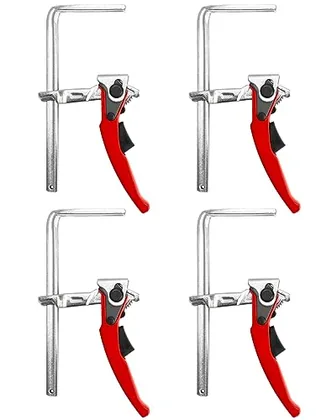 Painting & Finishing32 partsAdhesives & Dispensing22 parts
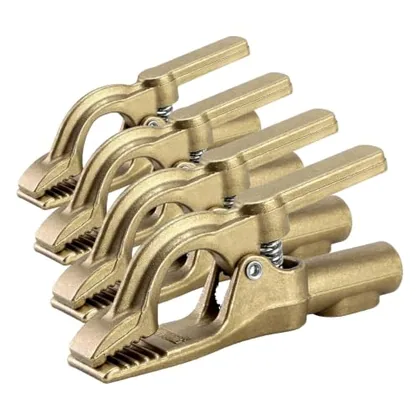 Welding & Soldering72 parts
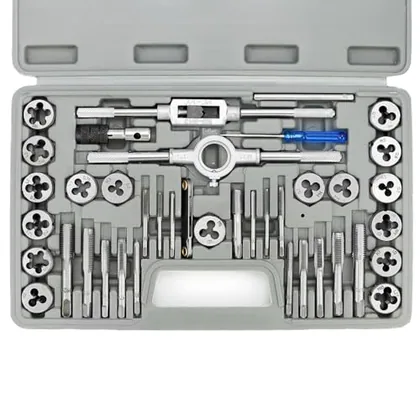 Drilling & Cutting50 partsPneumatic & Automotive100 parts
 Lab Supplies48 parts
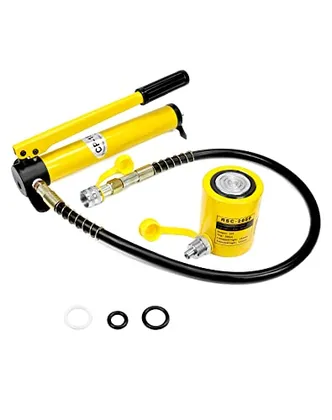 Electrical & Cable97 parts
 Hose & Fittings23 parts
 Power Transmission34 partsMaterial Handling139 parts
 Measuring & Marking60 parts
 Hand Tools105 parts
 Clamps & Workholding36 partsFasteners & Hardware125 parts
 Storage & Display129 parts
 Workshop Supplies100 parts
The range
Lockout, guarding and the electrical side
68 lockout and protection parts, and 97 connectors and glands for the wiring around them.

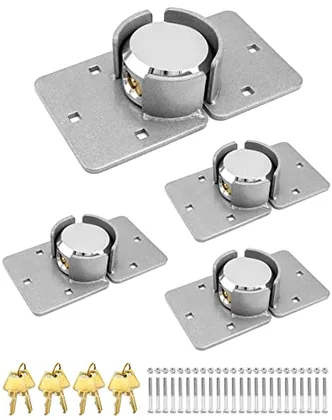
20T Mini Hydraulic Cylinder Jack Porta Power Ram 2 in Stroke
3.8(133)2 in
$98.97
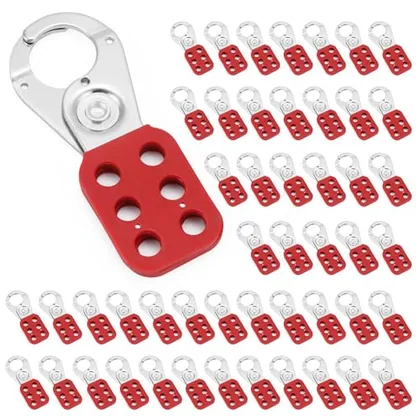
Lock Out Tag Out Hasp
4.5(2)pack of 501 instainless steel
$95.4950 in the pack
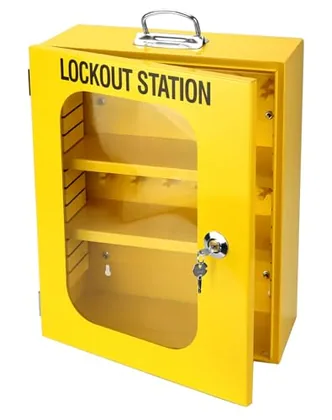
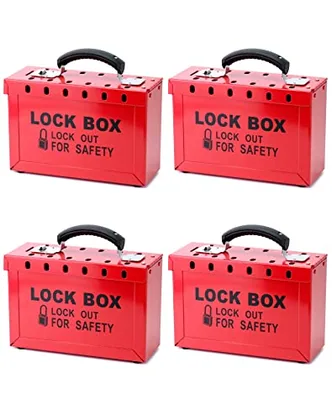
Lockout Tagout Group Lock Box - 4 Pack Steel Lockout Box with12
4.4(3)pack of 4
$90.974 in the pack
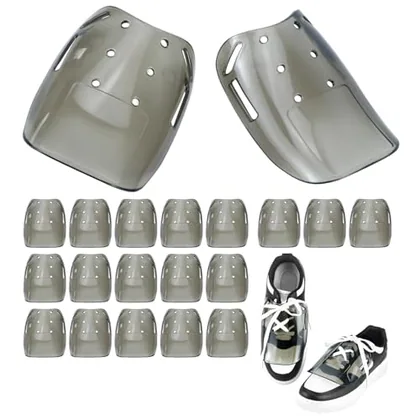
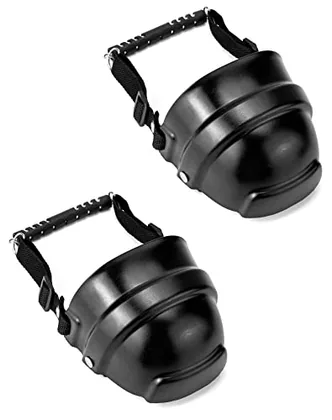
Metatarsal Guards for Safety Shoes and Boots - Metatarsal Shield
5.0(1)$90.97
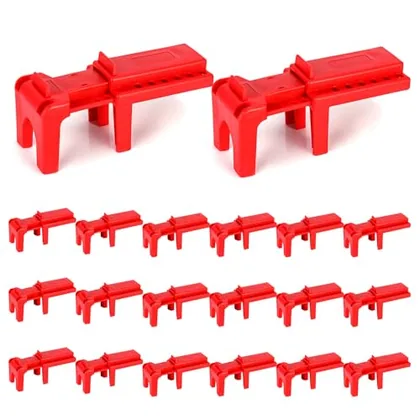
Ball Valve Lockout
5.0(1)pack of 201/2 inplastic
$87.9720 in the pack
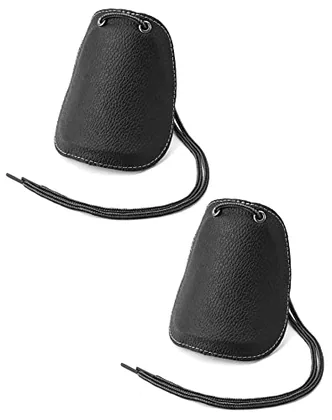
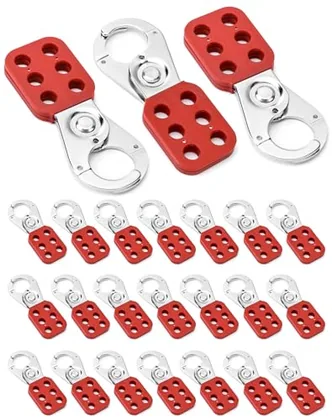
Stainless Steel Lockout Hasp 24 Pack
4.7(6)pack of 24stainless steel
$53.9724 in the pack
Compared
Three ways to buy a consumable, QWORK included
When you need parts, you have three ways to get them. You can walk into a supply house and buy single pieces off the shelf. You can call a distributor and order a full case. Or you can pull what you need from one of our shop packs.
We put together 772 of our 1,240 parts as shop packs with a stated count. The largest holds 5,000 pieces. That matters because a shop pack lets you stock the bench without paying for packaging you do not use. A case from a distributor gives you the lowest per-piece price, but only if you have room to store it and time to wait for it. Single items at a counter are convenient when you need one thing right now, though the unit cost runs higher.
The table below lines up the three options side by side so you can see where each one makes sense for the work in front of you.
| A shop pack from us | Singles from a counter | A case lot from a distributor | |
|---|---|---|---|
| Typical quantity | 20 in the pack, median across our packs | One or two | Hundreds, often a minimum order |
| Price per piece | From $0.01 on our deepest packs | Highest of the three | Lowest, once the case is used |
| What happens mid-job | The next one is in the drawer | Another trip | Nothing, if the case is open |
| Where the money goes wrong | A pack that outlives its coating | Trips and downtime | A case you use a tenth of |
| Specification published | Thread, size and material on 823 of our parts | Whatever is on the bin label | Full, in a datasheet |
The range
Hand tools, clamps and what holds the work
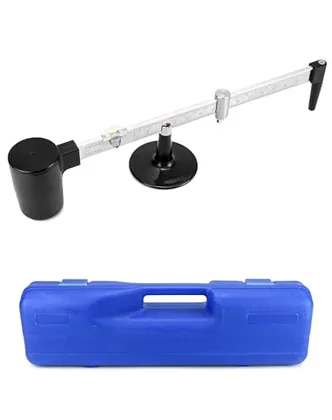
201 parts for the bench: pliers and wrenches, the clamps that free your hands, and the tapes and calipers that settle an argument.
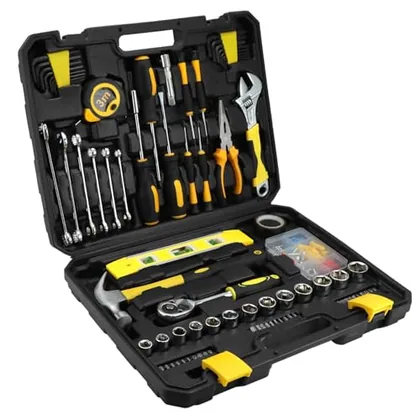
140 Piece Complete Tool Box Tool Box
pack of 140carbon steel
$166.90140 in the pack
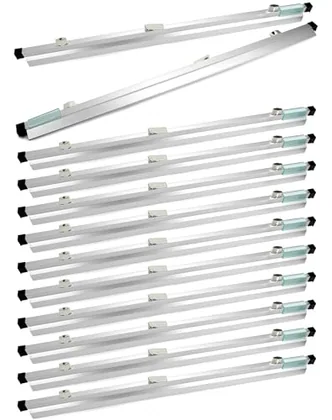
30 Inch Blueprint Clamps
3.7(20)pack of 1230 inaluminium
$138.9712 in the pack
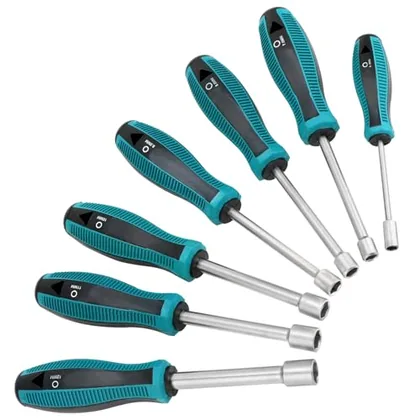
7 Piece Socket Screwdriver
4.6(50)pack of 7alloy steel
$80.827 in the pack
Mud Hydrometer - Engineering Plastic Mud Scale Liquid Densimeter
5.0(3)plastic
$73.97
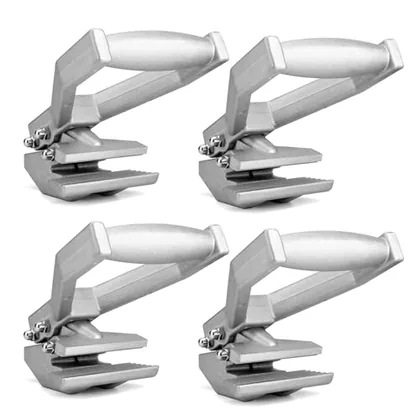
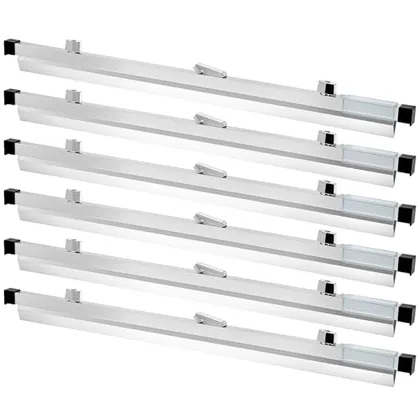
Blueprint File Hanging Clamps
3.7(20)pack of 624 in20 lb
$67.976 in the pack
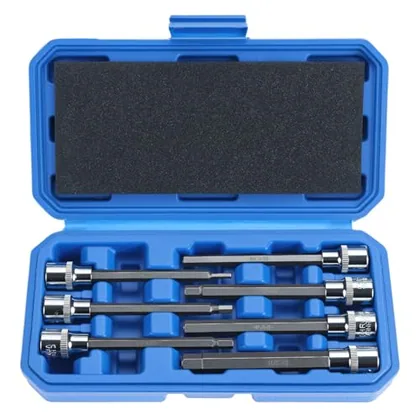
7 Piece 3/8 in Extra Long Hex Socket Wrench Set 110mm - S2 Steel
4.3(6)pack of 73/8 in
$65.097 in the pack
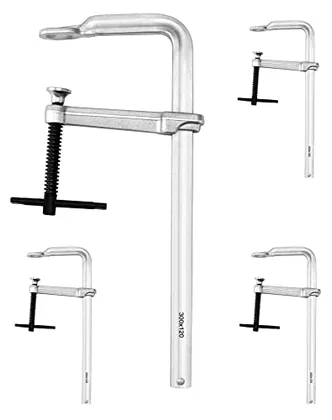
12 in Heavy Duty F Clamp
4.6(36)pack of 412 inalloy steel
$64.154 in the pack
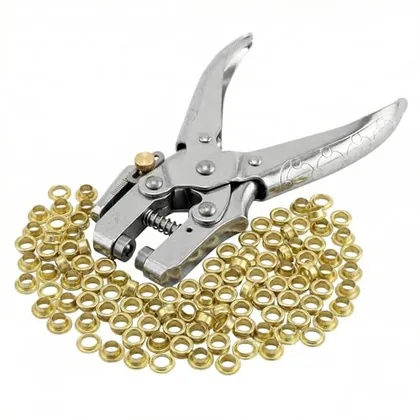
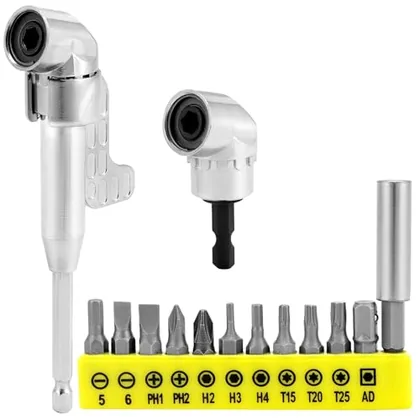
Set of 2 105° Allen Wrench Attachment Adapter Long + Short 1/4
3.0(2)1/4 in
$57.28
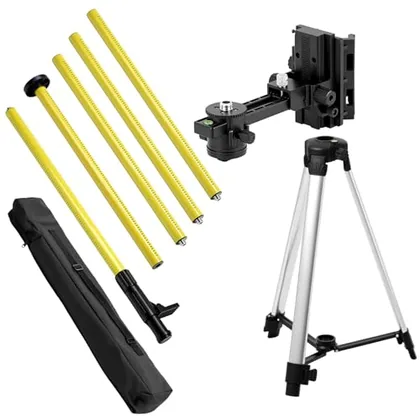
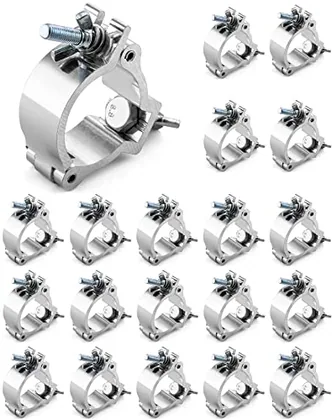
Truss Stage Light Clamp
4.4(31)pack of 202 in220 lb
$55.9720 in the pack
Before you buy
Five things worth knowing first
47Reading a thread calloutparts publish a thread
Reading a Thread Callout
When you pick up a fastener or a fitting, the thread callout tells you what will actually fit together. It is not just one number. It tells you the diameter, the pitch, and the standard, and each of those matters on its own.
The diameter is straightforward. It is the width of the threaded section, measured across the peaks. We check this with calipers against what is printed on the part.
Pitch works differently depending on which system you use. On metric threads, it is the distance between two adjacent thread crests, written in millimeters. You will see something like M8x1.25: that means 8 millimeters wide, 1.25 millimeters from crest to crest. Imperial threads use threads per inch instead. A 1/4-20 bolt has 20 full turns packed into every inch of its length.
Mixing these up causes real problems. If the pitch is wrong, the bolt might start into the nut and then bind halfway in, or it will feel loose and pull out under load. The diameter can match perfectly and still not work. We run a thread gauge over every new line we bring in because a visual check does not catch this.
We list the callout exactly as we read it from the manufacturer's specification sheet. What we print is what we measured.
760Pack arithmeticcome as a shop pack
We stock 1,240 parts across 17 departments, and 772 of them come in shop packs with a stated piece count. The biggest pack we carry holds 5000 pieces. That number on the front of the package matters, but it is not the only one that should.
Divide the price by the count. A deep pack looks cheaper until you do the math and find the per-piece cost matches or exceeds the smaller option. We have seen this happen often enough that we check it ourselves before we list a pack as a value buy.
Material matters more over time than the price you pay today. Most of our parts specify what they are made from. Stainless steel, carbon steel, aluminium, nylon, rubber. A coating or a grade that resists corrosion costs a little more at checkout, but it stays usable in a drawer for years. Carbon steel without protection will rust. Nylon will brittle if it sits in sunlight or near heat. The cheapest pack becomes expensive when half of it rots before you need it.
We publish dimensions, load ratings in pounds, working pressure in PSI, thread sizes, and bore measurements where we have verified them. You should be able to trust the numbers on the page.
159Working load limitsstate a load in pounds
The number printed on a sling or shackle tells you the most it should carry under ideal conditions. We read that figure from the specification, and we check it against what is stamped on the part itself before we list it. But a working load limit is a ceiling, not a floor. It assumes the load hangs straight down, moves slowly, and sits still once you have it in place.
Angle changes the math. When a sling pulls at an angle rather than straight up, the tension in each leg goes up even though the weight has not changed. A 60-degree angle can put nearly twice the stress on the leg that a straight vertical lift would. Shock loading makes this worse. If the load drops and catches suddenly, the force can spike well past the static weight of whatever you are lifting.
We treat the stated limit as the upper boundary of safe use, not a number to aim for. The part will hold that much on paper. In practice, you want room between what the gear can take and what you actually ask it to carry. That margin is what keeps the job safe when conditions are not perfect, because they rarely are.
222Materials and corrosionare stated stainless
Materials and Corrosion: Where Each Belongs and Where It Fails
We stock parts in five main materials across our catalogue, and each one has a job it does well and conditions it cannot handle. Knowing the difference saves you from replacing the same part twice.
Stainless steel resists rust in wet or outdoor environments. We use it for hose fittings, fasteners, and clamps that see moisture regularly. It costs more than carbon steel, but it lasts longer where water or salt are present. Carbon steel is strong and economical. It works fine indoors or in dry settings. Outside, or anywhere humidity sits on the surface, it will corrode unless you apply a coating or swap it for stainless.
Zinc plating adds a thin protective layer to steel. It extends the life of bolts, screws, and hardware that face occasional dampness. The plating wears through eventually, especially where threads rub together. Once the coating is gone, the steel underneath behaves like uncoated steel.
Aluminium is light and resists corrosion naturally. We supply it in measuring tools, material handling equipment, and structural components where weight matters. It softens under heavy loads compared to steel, so we do not recommend it for high-stress fastening jobs.
Nylon is not metal at all. It works as an insulator, a wear pad, or a spacer where electrical contact would cause problems. Nylon degrades in direct sunlight over time, and it melts near welding torches or hot surfaces. Pick it for the right job, and it holds up well. Expose it to UV or extreme heat, and it fails faster than any steel we carry.
We read the material specification on every part before we list it. If the label says stainless but a magnet sticks, we send that batch back. The material stated on the page is the material you receive.
68Isolating energy before you worklockout and safety parts
Lockout hardware is straightforward. You pick a padlock, you pick a hasp, and you clip them onto the energy isolation point. That part takes about thirty seconds.
The written procedure is where most people stop reading. It should not be that way. OSHA 29 CFR 1910.147 spells out what a lockout procedure needs to contain, and we have read the full standard. Every machine on your floor requires its own document.
It must name the equipment, identify every energy source, list the steps to isolate it, and state how you verify that isolation before work begins. A generic form does not meet the requirement. We keep 68 parts for this department, from individual locks at under seven dollars to full kits that cover a maintenance crew.
We source these parts globally, then we check the sample against the specification before we add it to our catalogue. If a shackle diameter does not match what is printed on the body, or a key does not turn smoothly in the cylinder, it goes back. The hardware only protects you when the procedure behind it is accurate and specific to the actual machine. We supply the first half. The second half lives in your documentation.
The range
Fasteners, hardware and where you keep them
Our largest department: 125 fasteners and fittings, plus 129 bins, racks and cases to make a pack findable a year later.
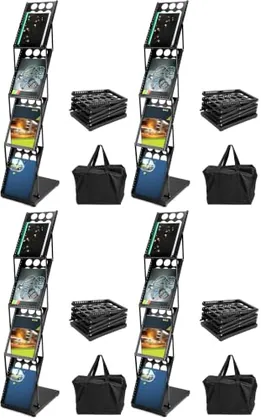
Magazine Brochure Display Rack Stand
4.7(85)pack of 4
$187.884 in the pack
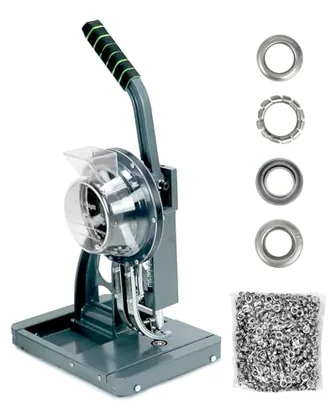
Semi-Automatic Grommet Machine
4.5(26)pack of 50003/8 inaluminium
$170.705000 in the pack
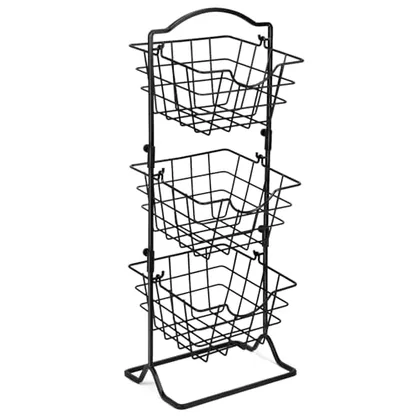
3-Tier Metal Wire Market Basket Storage Stand - Adjustable
4.1(5)44 lb
$79.23
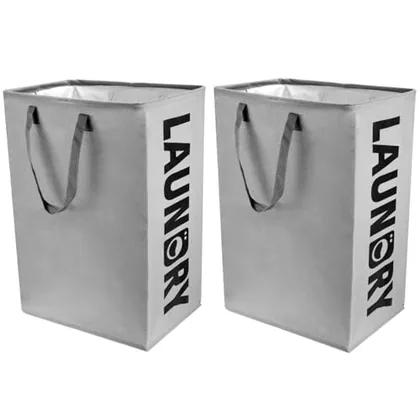
2 Pieces 75L Laundry Hamper
4.6(6)pack of 230 lb
$72.312 in the pack
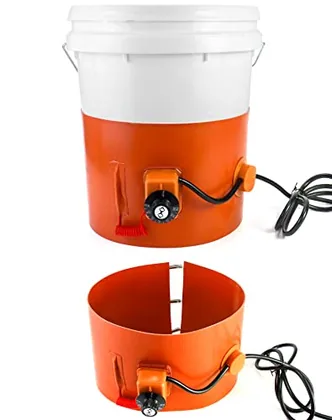
Drum Heater Band 2 Pack
4.2(28)pack of 2silicone
$66.972 in the pack
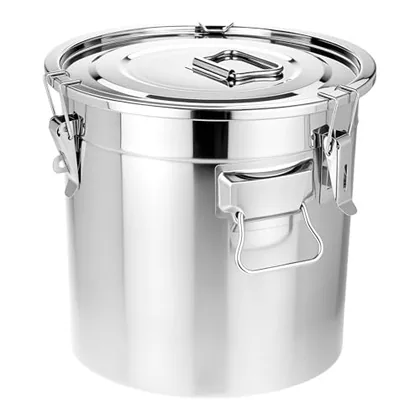
5.5 Gallon 304 Stainless Steel Airtight Container
5.0(3)38 lbstainless steel
$64.97Stainless
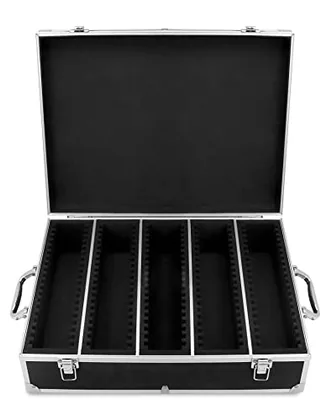
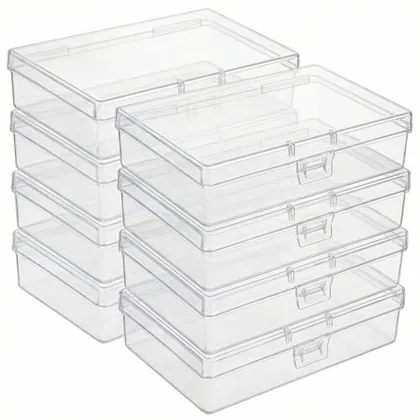
8 Pcs Rectangle Storage Bins for Organization
4.5(14)pack of 8plastic
$62.228 in the pack
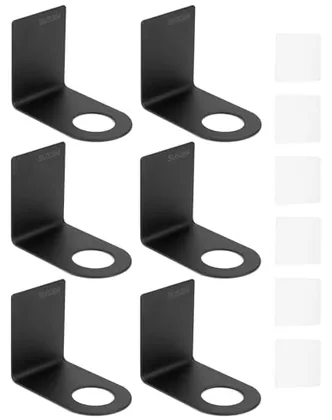
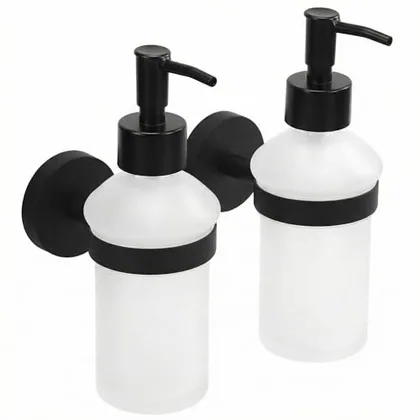
6Pcs Soap Bottle Dispenser Holder - Wall-Mounted 304 Stainless
3.6(34)pack of 6stainless steel
$60.396 in the pack
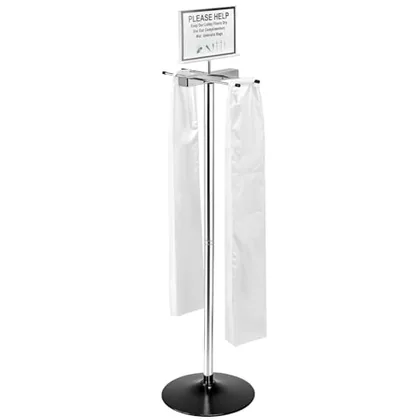
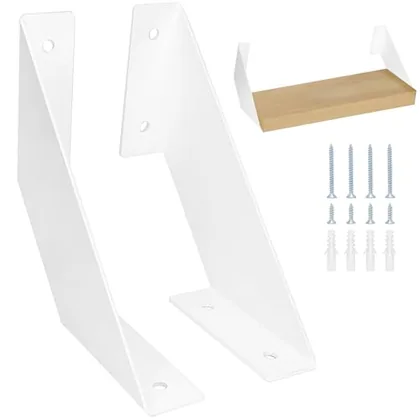
2 Pack White Shelf Brackets - Heavy Duty Solid Iron Wall Shelf
4.5(58)pack of 2
$58.262 in the pack
About QWORK
From one bench order to 17 departments
What We Supply and How We Decide It Belongs Here
1,240parts we currently offer
17departments
760sold as shop packs
823with a stated material
How the range grew, one trade at a time
What We Supply and How We Decide It Belongs Here
We started with a straightforward idea. Professionals, home shop owners, and maintenance crews need parts that work. They need them at prices that let them stock up without watching the budget too closely. So we set out to find those parts, check them against their own specifications, and list the ones that passed.
At first, we kept things simple. A few consumables for the bench. Drill bits that cut what they said they would cut. Abrasives that actually removed material instead of glazing over on the first pass. We bought samples, put them on our own worktables, and used them the way you would.
If a drill bit wandered off its mark or a grinding wheel shed pieces too soon, we did not add it to the catalogue. That was the whole process in the beginning. Source it. Test it. List it or send it back.
The range grew because one department leads to another when you think about a working day. You drill a hole, then you need to tap threads in it. You weld two pieces together, then you need to grind the seam smooth. You lift something heavy, so you need slings and shackles that can handle the weight. Each of those steps is its own category now. What began as a handful of items has become 1,240 parts across 17 departments.
We keep the departments organized around what you actually do, not around what sounds impressive on a webpage. Safety and lockout gear sits at the top for good reason: nothing else matters if the energy sources are not controlled properly. We read OSHA 29 CFR 1910.147 cover to cover before we listed a single lockout hasp or tag, and we quote from it in our guides so you can see exactly which requirements each part addresses.
The same goes for the sling standard, 1910.184, and the hand and pneumatic tool rules under 1910.242. Meeting them on the job is your call, and we make sure we understand what the standards ask for before we sell you something meant to meet them.
Below safety, the catalogue follows the shape of most jobs. Painting and finishing. Adhesives and dispensing. Welding and soldering. Drilling and cutting. Pneumatics and automotive repair. Lab supplies for those who need them. Electrical and cable management. Hoses and fittings. Power transmission components like sprockets, bearings, and belts. Material handling for moving loads safely and securely.
Then come the measuring and marking tools, the hand tools themselves, clamps and workholding, fasteners and hardware, storage and display solutions, and general workshop supplies. That last category catches the things that do not fit neatly elsewhere: shop towels, lubricants, small organizers, the items that keep a workspace running.
Here is how those numbers break down across the range:
The median price across the entire catalogue sits between twelve and twenty-five dollars for most categories. Some specialized items run higher. A large storage cabinet or a premium set of hand tools costs more than a pack of welding rods or a roll of abrasive cloth. That is how it should be. The price reflects what the part is, not what story we can wrap around it.
We sell most of these parts in shop packs. Of the 1,240 items we carry, 772 come with a stated piece count so you know exactly how many you are getting. The deepest packs hold five thousand pieces: bulk fasteners, common hardware, the items you reach for constantly and do not want to reorder every week. For everything else, smaller quantities keep the entry price low enough to try a new line without committing to a case.
Materials matter, so we publish them where we can confirm them. 823 parts include a stated material in the specification. Stainless steel shows up often. Carbon steel, alloy steel, aluminum, nylon, and rubber round out the list for most applications.
Dimensions are held to the same standard. Two hundred and sixty-four parts carry full measurements we have confirmed. A bolt that is actually 18mm long should not be listed as 20mm just because the template asked for a number.
Thread sizes appear on forty-eight parts where they are relevant and verified. Bores and outside diameters show up on twenty-eight more. One hundred and sixty-two parts state a rated load in pounds. Twenty-six state a working pressure in PSI. These numbers exist because we checked them, not because they fill space on a page.
This brings us to how we decide whether a line belongs in the catalogue at all. Every new product we consider goes through the same evaluation we used when we started. Someone on our team handles the sample physically. They read what the specification claims. Then they test whether the claim holds up.
For threaded parts, we run a thread gauge or calibrated nut over the threads. If the gauge binds or skips, the part does not go on the site. For items that list a load rating, we compare what is stamped or printed on the part against what the specification sheet promises. When those numbers disagree, we ask why. Often the answer is that a supplier rounded up or copied an old datasheet without checking the current production run. Those parts go back.
This approach means we turn down lines that would probably sell well. Suppliers send us catalogues full of attractive pricing and broad claims. We open the samples and find soft metal where hard was promised, threads cut to loose tolerances, dimensions that drift from piece to piece within the same bag.
Those go back. A low price on a part that fails halfway through its intended job is not a bargain. It is a waste of your time and money, and it undermines the reason we built this catalogue in the first place.
Checkout, payment, delivery, and returns are handled by our retail partner.
The median price across the entire catalogue sits between twelve and twenty-five dollars for most categories.
What we check before a line goes on sale
We started with a straightforward idea. Professionals, home shop owners, and maintenance crews need parts that work. They need them at prices that let them stock up without watching the budget too closely. So we set out to find those parts, check them against their own specifications, and list the ones that passed.
At first, we kept things simple. A few consumables for the bench. Drill bits that cut what they said they would cut. Abrasives that actually removed material instead of glazing over on the first pass. We bought samples, put them on our own worktables, and used them the way you would.
If a drill bit wandered off its mark or a grinding wheel shed pieces too soon, we did not add it to the catalogue. That was the whole process in the beginning. Source it. Test it. List it or send it back.
The range grew because one department leads to another when you think about a working day. You drill a hole, then you need to tap threads in it. You weld two pieces together, then you need to grind the seam smooth. You lift something heavy, so you need slings and shackles that can handle the weight. Each of those steps is its own category now. What began as a handful of items has become 1,240 parts across 17 departments.
We keep the departments organized around what you actually do, not around what sounds impressive on a webpage. Safety and lockout gear sits at the top for good reason: nothing else matters if the energy sources are not controlled properly. We read OSHA 29 CFR 1910.147 cover to cover before we listed a single lockout hasp or tag, and we quote from it in our guides so you can see exactly which requirements each part addresses.
The same goes for the sling standard, 1910.184, and the hand and pneumatic tool rules under 1910.242. Meeting them on the job is your call, and we make sure we understand what the standards ask for before we sell you something meant to meet them.
Below safety, the catalogue follows the shape of most jobs. Painting and finishing. Adhesives and dispensing. Welding and soldering. Drilling and cutting. Pneumatics and automotive repair. Lab supplies for those who need them. Electrical and cable management. Hoses and fittings. Power transmission components like sprockets, bearings, and belts. Material handling for moving loads safely and securely.
Then come the measuring and marking tools, the hand tools themselves, clamps and workholding, fasteners and hardware, storage and display solutions, and general workshop supplies. That last category catches the things that do not fit neatly elsewhere: shop towels, lubricants, small organizers, the items that keep a workspace running.
Here is how those numbers break down across the range:
The median price across the entire catalogue sits between twelve and twenty-five dollars for most categories. Some specialized items run higher. A large storage cabinet or a premium set of hand tools costs more than a pack of welding rods or a roll of abrasive cloth. That is how it should be. The price reflects what the part is, not what story we can wrap around it.
We sell most of these parts in shop packs. Of the 1,240 items we carry, 772 come with a stated piece count so you know exactly how many you are getting. The deepest packs hold five thousand pieces: bulk fasteners, common hardware, the items you reach for constantly and do not want to reorder every week. For everything else, smaller quantities keep the entry price low enough to try a new line without committing to a case.
Materials matter, so we publish them where we can confirm them. 823 parts include a stated material in the specification. Stainless steel shows up often. Carbon steel, alloy steel, aluminum, nylon, and rubber round out the list for most applications.
Dimensions are held to the same standard. Two hundred and sixty-four parts carry full measurements we have confirmed. A bolt that is actually 18mm long should not be listed as 20mm just because the template asked for a number.
Thread sizes appear on forty-eight parts where they are relevant and verified. Bores and outside diameters show up on twenty-eight more. One hundred and sixty-two parts state a rated load in pounds. Twenty-six state a working pressure in PSI. These numbers exist because we checked them, not because they fill space on a page.
This brings us to how we decide whether a line belongs in the catalogue at all. Every new product we consider goes through the same evaluation we used when we started. Someone on our team handles the sample physically. They read what the specification claims. Then they test whether the claim holds up.
For threaded parts, we run a thread gauge or calibrated nut over the threads. If the gauge binds or skips, the part does not go on the site. For items that list a load rating, we compare what is stamped or printed on the part against what the specification sheet promises. When those numbers disagree, we ask why. Often the answer is that a supplier rounded up or copied an old datasheet without checking the current production run. Those parts go back.
This approach means we turn down lines that would probably sell well. Suppliers send us catalogues full of attractive pricing and broad claims. We open the samples and find soft metal where hard was promised, threads cut to loose tolerances, dimensions that drift from piece to piece within the same bag.
Those go back. A low price on a part that fails halfway through its intended job is not a bargain. It is a waste of your time and money, and it undermines the reason we built this catalogue in the first place.
Checkout, payment, delivery, and returns are handled by our retail partner.
| Department | Parts | From | Median |
|---|---|---|---|
| Safety & Lockout | 68 | $6.97 | $24.97 |
| Painting & Finishing | 32 | $7.47 | $14.97 |
| Adhesives & Dispensing | 22 | $7.57 | $15.47 |
| Welding & Soldering | 72 | $5.97 | $18.97 |
| Drilling & Cutting | 50 | $5.47 | $12.47 |
| Pneumatic & Automotive | 100 | $5.97 | $17.97 |
| Lab Supplies | 48 | $7.97 | $15.97 |
| Electrical & Cable | 97 | $5.97 | $14.71 |
| Hose & Fittings | 23 | $7.97 | $17.97 |
| Power Transmission | 34 | $8.47 | $16.97 |
| Material Handling | 139 | $6.47 | $20.92 |
| Measuring & Marking | 60 | $6.55 | $13.97 |
| Hand Tools | 105 | $5.97 | $12.97 |
| Clamps & Workholding | 36 | $6.97 | $21.97 |
| Fasteners & Hardware | 125 | $5.97 | $16.97 |
| Storage & Display | 129 | $6.97 | $19.97 |
| Workshop Supplies | 100 | $5.97 | $15.97 |
What the range looks like now
At first, we kept things simple. A few consumables for the bench. Drill bits that cut what they said they would cut. Abrasives that actually removed material instead of glazing over on the first pass. We bought samples, put them on our own worktables, and used them the way you would.
If a drill bit wandered off its mark or a grinding wheel shed pieces too soon, we did not add it to the catalogue. That was the whole process in the beginning. Source it. Test it. List it or send it back.
The range grew because one department leads to another when you think about a working day. You drill a hole, then you need to tap threads in it. You weld two pieces together, then you need to grind the seam smooth. You lift something heavy, so you need slings and shackles that can handle the weight. Each of those steps is its own category now. What began as a handful of items has become 1,240 parts across 17 departments.
We keep the departments organized around what you actually do, not around what sounds impressive on a webpage. Safety and lockout gear sits at the top for good reason: nothing else matters if the energy sources are not controlled properly. We read OSHA 29 CFR 1910.147 cover to cover before we listed a single lockout hasp or tag, and we quote from it in our guides so you can see exactly which requirements each part addresses.
The same goes for the sling standard, 1910.184, and the hand and pneumatic tool rules under 1910.242. Meeting them on the job is your call, and we make sure we understand what the standards ask for before we sell you something meant to meet them.
Below safety, the catalogue follows the shape of most jobs. Painting and finishing. Adhesives and dispensing. Welding and soldering. Drilling and cutting. Pneumatics and automotive repair. Lab supplies for those who need them. Electrical and cable management. Hoses and fittings. Power transmission components like sprockets, bearings, and belts. Material handling for moving loads safely and securely.
Then come the measuring and marking tools, the hand tools themselves, clamps and workholding, fasteners and hardware, storage and display solutions, and general workshop supplies. That last category catches the things that do not fit neatly elsewhere: shop towels, lubricants, small organizers, the items that keep a workspace running.
Here is how those numbers break down across the range:
The median price across the entire catalogue sits between twelve and twenty-five dollars for most categories. Some specialized items run higher. A large storage cabinet or a premium set of hand tools costs more than a pack of welding rods or a roll of abrasive cloth. That is how it should be. The price reflects what the part is, not what story we can wrap around it.
We sell most of these parts in shop packs. Of the 1,240 items we carry, 772 come with a stated piece count so you know exactly how many you are getting. The deepest packs hold five thousand pieces: bulk fasteners, common hardware, the items you reach for constantly and do not want to reorder every week. For everything else, smaller quantities keep the entry price low enough to try a new line without committing to a case.
Materials matter, so we publish them where we can confirm them. 823 parts include a stated material in the specification. Stainless steel shows up often. Carbon steel, alloy steel, aluminum, nylon, and rubber round out the list for most applications.
Dimensions are held to the same standard. Two hundred and sixty-four parts carry full measurements we have confirmed. A bolt that is actually 18mm long should not be listed as 20mm just because the template asked for a number.
Thread sizes appear on forty-eight parts where they are relevant and verified. Bores and outside diameters show up on twenty-eight more. One hundred and sixty-two parts state a rated load in pounds. Twenty-six state a working pressure in PSI. These numbers exist because we checked them, not because they fill space on a page.
This brings us to how we decide whether a line belongs in the catalogue at all. Every new product we consider goes through the same evaluation we used when we started. Someone on our team handles the sample physically. They read what the specification claims. Then they test whether the claim holds up.
For threaded parts, we run a thread gauge or calibrated nut over the threads. If the gauge binds or skips, the part does not go on the site. For items that list a load rating, we compare what is stamped or printed on the part against what the specification sheet promises. When those numbers disagree, we ask why. Often the answer is that a supplier rounded up or copied an old datasheet without checking the current production run. Those parts go back.
This approach means we turn down lines that would probably sell well. Suppliers send us catalogues full of attractive pricing and broad claims. We open the samples and find soft metal where hard was promised, threads cut to loose tolerances, dimensions that drift from piece to piece within the same bag.
Those go back. A low price on a part that fails halfway through its intended job is not a bargain. It is a waste of your time and money, and it undermines the reason we built this catalogue in the first place.
Checkout, payment, delivery, and returns are handled by our retail partner.
What we do not do, said plainly
If a drill bit wandered off its mark or a grinding wheel shed pieces too soon, we did not add it to the catalogue. That was the whole process in the beginning. Source it. Test it. List it or send it back.
The range grew because one department leads to another when you think about a working day. You drill a hole, then you need to tap threads in it. You weld two pieces together, then you need to grind the seam smooth. You lift something heavy, so you need slings and shackles that can handle the weight. Each of those steps is its own category now. What began as a handful of items has become 1,240 parts across 17 departments.
We keep the departments organized around what you actually do, not around what sounds impressive on a webpage. Safety and lockout gear sits at the top for good reason: nothing else matters if the energy sources are not controlled properly. We read OSHA 29 CFR 1910.147 cover to cover before we listed a single lockout hasp or tag, and we quote from it in our guides so you can see exactly which requirements each part addresses.
The same goes for the sling standard, 1910.184, and the hand and pneumatic tool rules under 1910.242. Meeting them on the job is your call, and we make sure we understand what the standards ask for before we sell you something meant to meet them.
Below safety, the catalogue follows the shape of most jobs. Painting and finishing. Adhesives and dispensing. Welding and soldering. Drilling and cutting. Pneumatics and automotive repair. Lab supplies for those who need them. Electrical and cable management. Hoses and fittings. Power transmission components like sprockets, bearings, and belts. Material handling for moving loads safely and securely.
Then come the measuring and marking tools, the hand tools themselves, clamps and workholding, fasteners and hardware, storage and display solutions, and general workshop supplies. That last category catches the things that do not fit neatly elsewhere: shop towels, lubricants, small organizers, the items that keep a workspace running.
Here is how those numbers break down across the range:
The median price across the entire catalogue sits between twelve and twenty-five dollars for most categories. Some specialized items run higher. A large storage cabinet or a premium set of hand tools costs more than a pack of welding rods or a roll of abrasive cloth. That is how it should be. The price reflects what the part is, not what story we can wrap around it.
We sell most of these parts in shop packs. Of the 1,240 items we carry, 772 come with a stated piece count so you know exactly how many you are getting. The deepest packs hold five thousand pieces: bulk fasteners, common hardware, the items you reach for constantly and do not want to reorder every week. For everything else, smaller quantities keep the entry price low enough to try a new line without committing to a case.
Materials matter, so we publish them where we can confirm them. 823 parts include a stated material in the specification. Stainless steel shows up often. Carbon steel, alloy steel, aluminum, nylon, and rubber round out the list for most applications.
Dimensions are held to the same standard. Two hundred and sixty-four parts carry full measurements we have confirmed. A bolt that is actually 18mm long should not be listed as 20mm just because the template asked for a number.
Thread sizes appear on forty-eight parts where they are relevant and verified. Bores and outside diameters show up on twenty-eight more. One hundred and sixty-two parts state a rated load in pounds. Twenty-six state a working pressure in PSI. These numbers exist because we checked them, not because they fill space on a page.
This brings us to how we decide whether a line belongs in the catalogue at all. Every new product we consider goes through the same evaluation we used when we started. Someone on our team handles the sample physically. They read what the specification claims. Then they test whether the claim holds up.
For threaded parts, we run a thread gauge or calibrated nut over the threads. If the gauge binds or skips, the part does not go on the site. For items that list a load rating, we compare what is stamped or printed on the part against what the specification sheet promises. When those numbers disagree, we ask why. Often the answer is that a supplier rounded up or copied an old datasheet without checking the current production run. Those parts go back.
This approach means we turn down lines that would probably sell well. Suppliers send us catalogues full of attractive pricing and broad claims. We open the samples and find soft metal where hard was promised, threads cut to loose tolerances, dimensions that drift from piece to piece within the same bag.
Those go back. A low price on a part that fails halfway through its intended job is not a bargain. It is a waste of your time and money, and it undermines the reason we built this catalogue in the first place.
Checkout, payment, delivery, and returns are handled by our retail partner.
The range
Lifting, moving and machines that turn
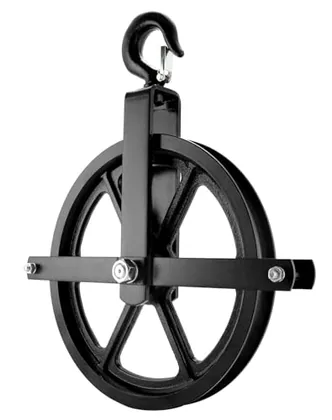
139 rigging, casters and strapping, and 34 sheaves and belts for the drive side.
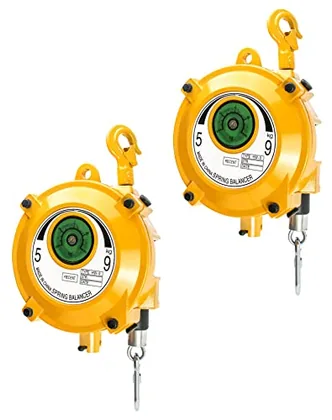
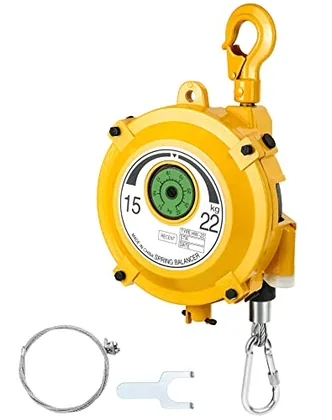
Spring Balancer 33-49 lbs (15-22 kg) - Adjustable Retractable Tool
4.8(6)49 lb
$109.97
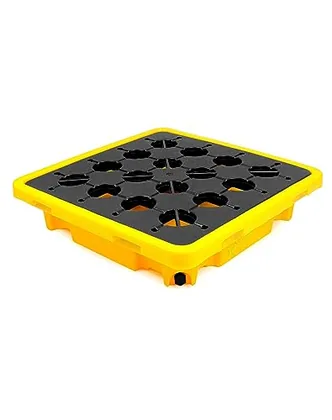
Single Drum Spill Containment Pallet - 26x26in Static Spill
5.0(12)26 in2,000 lb
$96.97
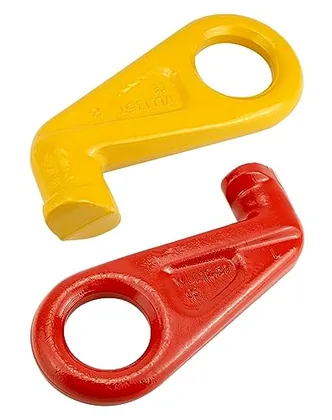
Shipping Container Lifting Hooks
4.4(30)pack of 228,000 lballoy steel
$90.652 in the pack
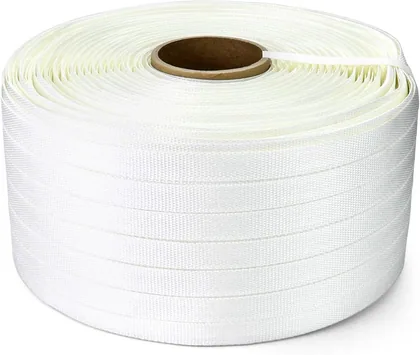
3/4 in x 1640' Woven Cord Strapping Roll
4.8(65)3/4 in1,830 lbplastic
$70.97
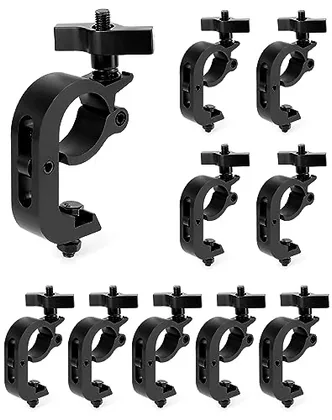
Heavy Duty Truss Clamp Stage Light Trigger Clamp
4.6(17)pack of 102.0 in330 lb
$65.9710 in the pack
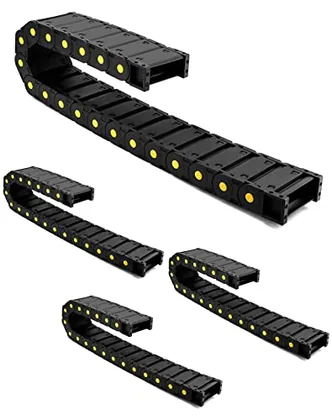
Plastic Enclosed Cable Drag Chain 25×77 mm
4.6(23)pack of 4plastic
$60.734 in the pack
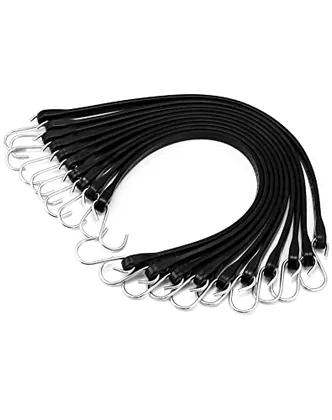
21 Inch Tarp Straps with S-Hooks
4.3(19)pack of 5021 inrubber
$59.9750 in the pack
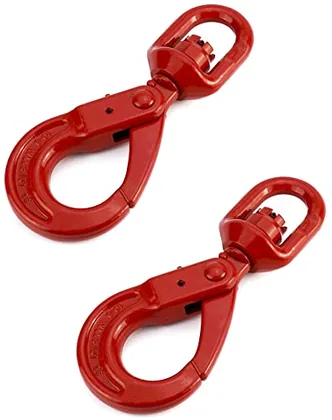
Grade 80 Forged Swivel Self-Locking Hook
4.7(22)7,100 lballoy steel
$56.97
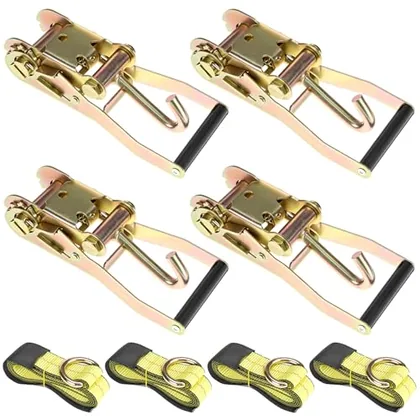
Car Tie Down Straps for Trailers - 4 Pack
4.6(5)pack of 42 in10,000 lb
$53.474 in the pack
How we buy
How a QWORK line gets approved
We source from suppliers around the world. That is the starting point, not the finish line. Before any new product lands in our catalogue, it has to pass through a small team that has worked with these parts by hand.
When a supplier sends us a sample of a new line, we put it on a bench here. We do not take their word for what it is. We read the specification sheet, then we check the part itself against those claims.
Threads get gauged. If a bolt says it is a 1/4-20 UNC thread, we run a gauge through it. If it does not fit cleanly, we send the sample back and tell them why. The same goes for stated loads.
When a shackle or a lifting eye prints a working load limit in pounds on its body, we read that number and we hold it to account. A part that claims one thing on paper but behaves differently in our hands does not make it into our inventory.
Some things look right at first glance. The finish is even, the weight feels correct, the packaging is professional. But if we cannot verify the spec with a tool or a test, we return it anyway. Appearance alone is not enough for us to sell it to you.
Across 17 departments and more than a thousand parts, this process repeats. We carry stainless steel, carbon steel, aluminium, nylon, rubber, and other materials because we have confirmed what each piece is made from. Where a dimension matters, we publish the real measurement.
We follow three public standards closely when we write about safety equipment and tools: OSHA rules on lockout/tagout, on slings, and on hand and pneumatic tools. We read them in full so we can describe what compliance looks like in practice.
This is how we decide what earns a place in our catalogue. It is not glamorous work. It is just the work that has to happen before we are comfortable putting a part in front of someone who needs it to hold up on the job.
Checkout and fulfillment are handled by our retail partner.
The people behind it
A small team, and the parts we argue about
We are a small team. We buy parts, we test them, and we list the ones that pass. That is the whole operation.
Most of us have worked with our hands. We know what it means when a bolt strips, a hose leaks under pressure, or a clamp slips mid-job. So we check what we can. We run threads through a gauge. We compare the load rating on the packaging to what the part actually holds. If something looks right but we cannot verify it, we send it back.
Our catalogue covers 17 departments. You will find safety lockout gear, welding supplies, fasteners, hand tools, and storage solutions for the workshop. We stock 1,240 parts in total. The materials are straightforward: stainless steel, carbon steel, aluminium, nylon, rubber. We publish the dimensions we have measured ourselves.
We read the standards that matter to the work you do. OSHA rules on lockout/tagout, slings, and tool safety sit open on our desks when we evaluate those categories. We want the specification we print to match the regulation and the reality on your bench.
No one here collects reviews or tracks ratings. We do not think a star tells you whether a cotter pin will hold. We think the material and the size do that. So we list those, we keep the prices low, and we let the parts speak for themselves.
What the parts look like up close
These are our own photographs, taken across the range on the benches these parts are bought for.
Quality
What QWORK means by a true specification
760state a pack count
823state a material
255state full dimensions
185state a load or a pressure
What Quality Means Here
We supply 1,240 parts across 17 departments. That number tells you something about how we work. Every one of those parts has a page because we decided to list it. We read the specifications ourselves.
When we say a pack contains 5000 pieces, we print that count. When we say a bolt is made of alloy steel or a gasket is nitrile rubber, we have seen that material stated in the specification we received. Of our 1,240 parts, 846 name a material outright. The most common ones are stainless steel, carbon steel, alloy steel, aluminium, nylon and rubber.
The same goes for sizes. Forty-eight of our parts state a thread size. Twenty-eight give us a bore or outside diameter in inches. One hundred sixty-two carry a stated load rating in pounds. Twenty-six list a working pressure in PSI. We publish these numbers exactly as they appear on the documentation from the source. A lockout hasp that rates for 10000 pounds says so because the manufacturer wrote it there. We ran a caliper across a few to see if the claim held up. It did.
255 of our parts include full dimensions, measured and checked.
We are an MRO supplier. Our parts serve maintenance, repair, and operations work for professionals, DIYers, and businesses of any size. We source globally and evaluate what we receive before we offer it to you. Three public standards guide how we write about certain categories: OSHA 29 CFR 1910.147 for lockout and tagout, 1910.184 for slings, and 1910.242 for hand and pneumatic tools. We read these standards in full and quote them in our guides where they apply.
Quality here means we tell you what we know, we keep quiet about what we do not, and we never make up numbers to fill a template.
The range
Shop air, welding and cutting
Compressed air and vehicle work, welding leads and heat-resistant wear, plus the bits, augers and taps that do the cutting.
40-Piece Metric Tap and Die Set
3.9(272)pack of 40M3 threadalloy steel
$98.3540 in the pack
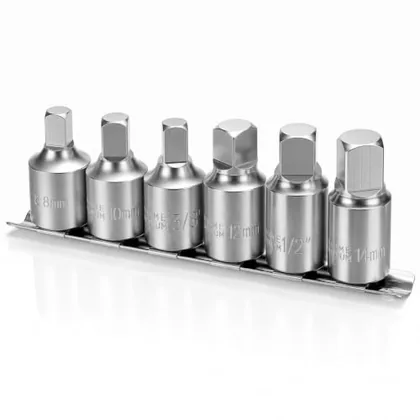
6 Pieces Oil Drain Plug Key Set
4.7(39)pack of 61/2 in
$64.646 in the pack
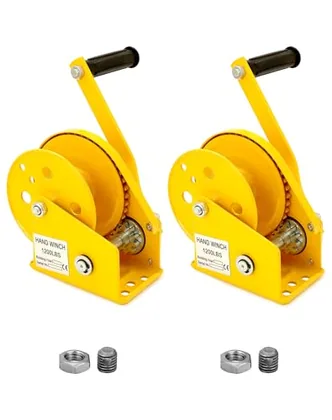
Manual Crank Winch 1200lbs Load - Two‐Way Lock Gear for Boat Trailer
4.2(106)pack of 21,200 lb
$60.972 in the pack
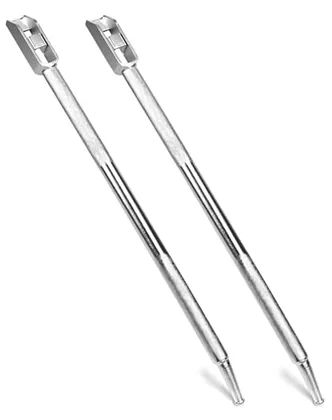
Square Head Carbon-Steel Combination Winch Bar
4.7(25)pack of 2carbon steel
$59.972 in the pack
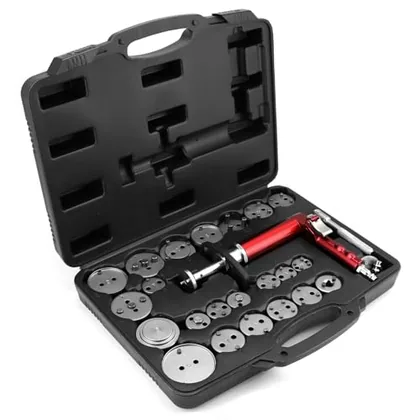
24-Piece Pneumatic Brake Caliper Tool Set
4.1(27)pack of 24
$55.9724 in the pack
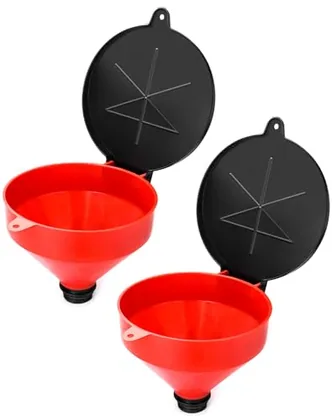
4 Quart 2 in BSP Drum Funnel - 2 Pack Lockable Lid & Screen Filter
4.0(15)pack of 22 in
$55.972 in the pack
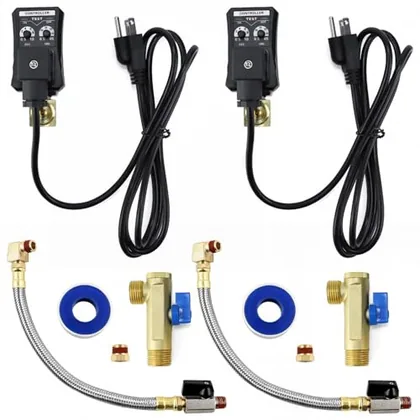
Automatic Timed Condensate Drain Valve
pack of 21/4 in NPT1/4 in
$53.972 in the pack
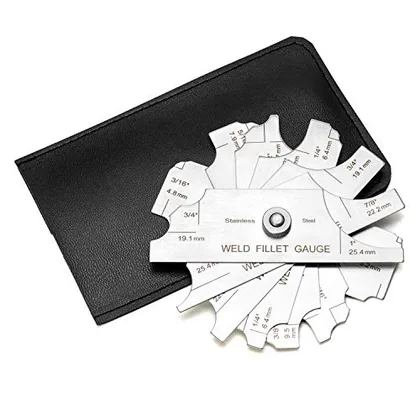
7Pcs Fillet Weld Gauge Set - Welding Inspection Gauge Testing 1/8
4.7(133)pack of 71/8 instainless steel
$53.827 in the pack
Certification
Certification, said plainly
| What applies | To what | What it covers |
|---|---|---|
| 29 CFR 1910.147 | Lockout and tagout | The programme and devices for isolating hazardous energy |
| 29 CFR 1910.184 | Slings and rigging | Rated capacity, daily inspection and when a sling is rejected |
| 29 CFR 1910.242 | Hand and pneumatic tools | Employer responsibility, and the 30 psi limit on cleaning air |
| Published specification | Everything we sell | Thread, size, material and stated load for that part |
A part is judged here by the specification it states, and by the public rule that governs work of this kind.
What the specifications cover, and what they leave out. Across our 1,240 parts, 823 state a material: stainless steel, carbon steel, alloy steel, aluminium, nylon, rubber, and a handful of others. We print those because they matter for the job. You will find thread sizes on 47 cards where threading is part of how the part works, bore or diameter figures on 28 more, and load ratings in pounds on 159 items that are meant to carry weight.
Working pressure in PSI appears on 26 pneumatic or hydraulic parts. Full dimensions show up on 255 parts.
These numbers come from the manufacturers' printed specs or from our own checks at the workbench. We run threads through a go/no-go gauge. We compare stated load ratings against what is stamped or cast into the metal itself. If a part looks right but we cannot verify it, it does not make it into the catalogue.
Beyond our own checks, there are public rules that govern how tools and safety equipment should perform in real workplaces. We keep three OSHA standards close at hand and reference them in our product guides. OSHA 29 CFR 1910.147 covers lockout and tagout procedures for energy sources.
Section 1910.184 sets requirements for slings used in lifting operations. And 1910.242 addresses safe use of hand and portable power tools. These are not certifications we have earned. They are the rules that professionals follow, and we supply parts built to meet them.
Gallery
Where QWORK parts end up
We keep 1,240 parts across 17 departments, and they end up on a lot of different benches. The photos below show where our stock goes in daily use. You will see material handling rigs, automotive bays, hand tool stations, and lab setups. There are also shots of fastener bins, hardware drawers, and workbenches we supply parts for.
We source these items globally and check each new line ourselves before it goes into the catalogue. Thread specs get run against a gauge. Load ratings are checked against what is printed on the part. If something looks right but we cannot verify it, we send it back. These images are from the trades and shops that use what we sell.
What buyers say
Word for word, lowest rating first
These are copied exactly as they were written, spelling included, and the ones that go badly stay in. 53 of the 137 reviews we hold are below five stars, and 3 of the 9 shown here are too. They belong to the people who wrote them: read the rest at the retail partner.
Poor quality
First time use measuring forms pulled out 50 feet when I pulled the tape tight I felt something give when I rolled it back up found a place that had ripped it wasn’t hung on anything just gave way
Broke on first wear!! Not worth buying!!!
DONT BUY THESE- They are a piece of crap- will not stay on your shoes no matter what you do - plastic clip broke while putting them on the first time.
Clarification information
The gun works with a 1:2 ratio cartridge. There is a push-rod for the 1:2 cartridge. You would need a second push-rod for optimal function with a 1:1 cartridge. That information is unclear in the descriptions.
Works great
Perfect for keeping my wires off the floor behind my server rack so I can pull it out and put it back against the wall without the casters rolling over them.Would I use it in the garage? Sure I'd try it out for that, but wouldn't be surprised if it didn't last long for heavy daily use. If I were using this daily with tools in the garage, I might be better off spending $50 or a hundred bucks.But it works quite well and I love how the tension is very adjustable. I've been using it for a few months now and haven't had any problems at all.
An upgrade from the typical worm drive hose clamps.
A way better upgrade that the typical worm drive clamps. I personally used this on radiator hoses. I also like that the bands are slightly wider than typical bands. I also like that the bands are solid unlike the worm drive bands that have small slits on the band for the worm drive that cause the rubber from the hose to bulge through these slits.
Very nice ring/wire clamp.
There is nothing better than a new ring clamp. This one works great. Perfect size. This is a new clamp review, and I think I have bought from QWORK before, but am not certain. I know right now that so far so good. Easy to use and no extra marks, easy to hold and control and the price was OK with me. I would recomment this product.
Only one thing wrong!
Only one thing wrong, I should have purchased one more! Nice product and well built. Should keep the kids out of the power boxes.
Works fine just for tightening
The plastic wrench that comes with the KleenWater Filter Kit broke, and KleenWater does not list a replacement. I use this to tighten the plastic filter cartridge housing, but I also use the Sanbege 15" reinforced belt strap wrench to loosen the cartridge housing. Seems it takes less force to tighten & install a new filter cartridge, than to loosen that cartridge housing after its been in place for 2yrs or more.
I am happy with my purchase. I would buy these again if needed.
I have about every drill and impact attachment known to man. I use these all the time and i really like the various sizes. I need these type because they lock onto the attachment. The lock feature slides back and these are very smooth. I haven't put these to test with a ton of Torque but they appear like they will hold up to what they are designed for. I have used these in an impact driver and drill.
Questions
Answers before you ask
Do you ship these parts yourselves?
No. Ordering, payment, delivery and returns all happen at checkout with our retail partner. We publish the range and the specification for each part.
Where do the star ratings come from?
They are the ratings our customers left, counted once per family of sizes and finishes rather than once per product code, and shown on 1134 of our 1240 parts. A part with no rating yet shows no stars at all.
How current are the prices?
We update them on a schedule and show the date of the last update on one page, /prices, rather than repeating it on every card.
Is a stated working load limit a safe working load?
It is the maximum the part is rated for under the conditions the standard assumes. Angle, shock loading and wear all take from it, and none of them announce themselves. The rigging guide quotes the federal wording in full.
Do you sell certified lockout programmes?
We sell hardware. The written procedure for a particular machine is yours to produce, and the federal rule is explicit that a programme, not a padlock, is what it requires.
Can I see the thread or bore before buying?
Where the specification states one, it is on the card, and a caliper settles the rest before you order.