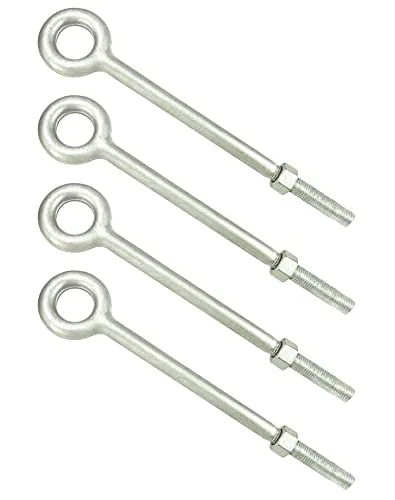
Buying by the pack: thread sizes, shop packs and what a workshop runs out of
How to read a thread callout, when a shop pack is cheaper per piece, and which consumables are worth stocking deep.

The parts that stop a job, and what they cost
The part that stops a job is almost always small. A ten-cent bolt, a worn O-ring, a drill bit that has lost its edge. You do not plan for it. It shows up when you have three hours left on a shift and a machine that will not run until you replace what broke.
We know this because we stock the parts that break. Across 17 departments we supply 1,240 individual parts, and the price range tells you something useful about how to buy them. The cheapest items in our catalogue sit at $5.47 or $5.97 depending on the department.
Those are single bits: one drill bit, one socket, one hose clamp. They solve the problem right now. The most expensive single parts run from about $100 to nearly $188, and those tend to be the things you buy once and use for years, like storage systems or specialized clamps.
Most of what you need costs less than you expect if you look at the median rather than the high end. Hand tools average around $12.97 at the middle of the range. Adhesives sit near $15. Electrical parts cluster around the same number. Even safety equipment, which people assume will be pricey, has a median under $25.
Here is where shop packs matter. We sell 772 of these parts in packs with a stated piece count, and the deepest packs hold 5000 pieces. When you buy by the pack, you are not guessing at quantity. The count is printed on the pack.
We read that count before we list it. If a supplier sends us a box labeled 100 pieces and we open 97, we do not ship it to you. That is the check we run on every new line before it goes into our catalogue.
Reading a thread callout without guessing
A thread callout tells you exactly what you need if you read it in order. Most of the fasteners we supply use one of two systems, and once you spot which one you are looking at, the rest is just numbers.
Unified thread sizes start with a number or a fraction. That first figure is the nominal diameter. A 1/4-20 bolt has a quarter-inch diameter. The number after the hyphen is threads per inch: twenty of them packed into that inch of length. If you see a letter after that, it tells you the thread class. A means looser tolerance, B means tighter. For most workshop repairs, 2A on external threads and 2B on internal ones will do the job.
Metric callouts look different but follow their own logic. You will see a capital M first. M8 means an eight-millimeter diameter. The next number is the pitch: the distance between adjacent threads measured in millimeters. An M8x1.25 has 1.25 millimeters from one thread crest to the next. Some metric bolts leave out the pitch because it is standard for that diameter, but we print it when we have it. It saves you from guessing.
The material matters too. We list what each part is made from when the manufacturer states it clearly. Stainless steel resists corrosion. Carbon steel handles higher loads but needs protection from moisture. Nylon works where metal would gall or conduct. Check the spec before you buy a pack of fifty only to find they are not the alloy your application requires.
We run a thread gauge over samples before we add them to our catalogue. If the callout says 3/8-16 and the gauge does not fit cleanly, we do not stock it. We also check the stated load rating against what is printed on the part itself.
A bolt that claims four thousand pounds but stamps something else goes back to the supplier. You should not have to test what arrives at your bench. Read the callout, match it to what you are repairing, and order with confidence that the numbers on the page match the metal in the package.
Metric and imperial on the same bench
Most of us work with both systems whether we want to or not. A machine built in the seventies takes UNF bolts. The replacement part you ordered last week arrived with metric threading. The calipers on your bench switch between the two, and so do we. Across our 1,240 parts, you will find thread sizes stated in both conventions, and we list them exactly as they appear on the component itself.
Here is what that means when you are ordering. We publish full dimensions on 255 parts. When a bolt says M8-1.25 on the head, we write M8-1.25.
When it says 5/16-18 UNC, we write that instead. We run a gauge through the threads and check the load rating against what is stamped into the steel. If the marking does not match the measurement, we do not stock it.
The practical problem comes down to this: you cannot thread a metric fastener into an imperial tapped hole, and no amount of force will change that fact. Our Fasteners & Hardware department carries 125 parts across both standards, and the material is stated for 846 items throughout the catalogue. Stainless steel, carbon steel, alloy steel, aluminium, nylon and rubber are the ones you see most often.
Check the thread specification before you add a pack to your order. We sell 772 of these parts as shop packs with a stated piece count, and the deepest pack runs to 5000 units, so a mistake at ordering time means a lot of inventory sitting in a bin that does not fit anything you own.
Keep a thread pitch gauge near where you open shipments. It costs less than one bad order, and it settles any argument about what size a thing actually is.
Grades, coatings and where corrosion starts
The grade printed on the box tells you what the steel can handle before it gives. Grade 2 is common for general work. Grade 5 and Grade 8 carry higher loads, and that is why we stock them in our fastener packs when the spec calls for it. We check that the marking on the bolt head matches what we ordered, because a Grade 8 bolt stamped as Grade 2 will fail under the load you expected it to hold.
Coatings are not decoration. They are the barrier between your steel and whatever is in the air around it. Zinc plating works well enough indoors or where the air stays dry. Galvanization puts on a thicker layer for outdoor use. Stainless steel resists rust on its own, though even stainless has limits near saltwater or certain chemicals.
Corrosion starts where water sits. That means threaded joints, crevices between two parts, and anywhere moisture collects and does not dry out. A coated bolt in a bare steel nut will still corrode at the threads if water gets in there. If you are working outside, near chemicals, or in a humid shop, we suggest you match the coating on both halves of the joint rather than relying on one protected piece to do the work of two.
We source these from several materials: carbon steel, alloy steel, stainless steel, aluminium, nylon and rubber. The right choice depends on where the part lives once you install it. Carbon steel with zinc costs less and lasts fine in a dry storeroom. Stainless costs more up front but saves you the trip back to the bin in six months when the cheaper one has turned orange.
Check the environment before you pick the pack. A bolt that holds a gate outdoors needs different protection than one holding a workbench together inside. We list the material on every item we can verify, so you can see what you are buying before it arrives at your bench.
Pack size and the price per piece
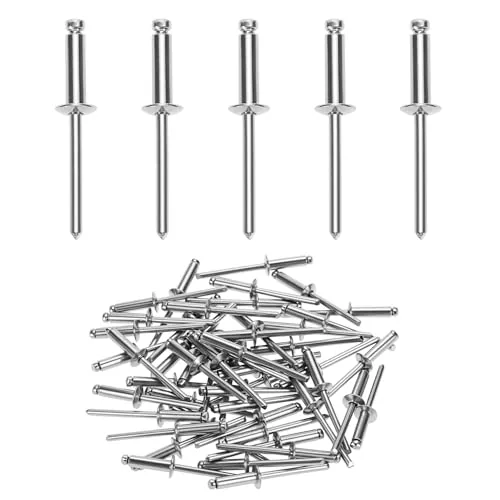
The number on the pack matters more than the price on the label. We see this mistake often. Someone spots a box of socket head cap screws at $28.47 and thinks it is a better deal than the $52.47 option sitting next to it, but they have not looked at what is inside. The first pack holds 25 pieces. The second one holds 100. Do the math and the cheaper-looking choice costs you more than twice as much per screw.
We list a stated piece count for 760 parts across all 17 departments. That count is not a suggestion or an approximate figure. It is the exact quantity we pack into that SKU. When we say a shop pack contains 500 pieces, you will find 500 pieces when you open it. The largest packs we supply run to 5,000 individual items, which makes sense for fasteners, set screws, and cotter pins that leave your bench in handfuls.
To work out what you are actually paying, divide the total by the count. A $17.87 pack of 100 alloy steel bolts comes out to roughly eighteen cents each. A $14.97 pack of ten stainless steel washers puts you closer to a dollar fifty per washer. Both prices fall inside our median range for Fasteners & Hardware, but only the arithmetic tells you which one fits your job cost.
We read the specification sheet from the source before we accept any line into our catalogue. If the manufacturer states a count, we print it.
What is worth stocking deep, and what is not
Some parts you use every week. Others sit in a drawer for six months until a specific job calls for them. The difference matters when you decide how many to keep on hand.
Fasteners and hardware are the clearest case for buying deep. Our fasteners department runs 175 parts, and 772 items across the catalogue sell as shop packs with a stated piece count. The deepest packs hold five thousand pieces. You will use them. A box of socket head cap screws or flat washers does not go bad.
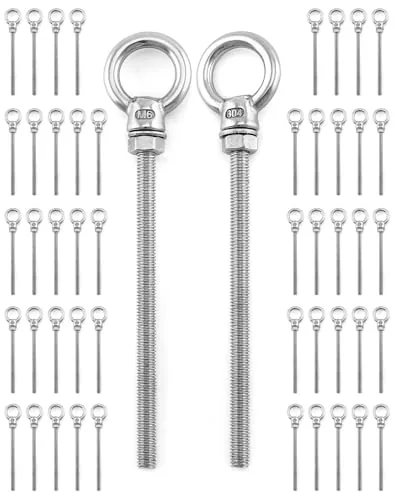
Threaded rod, nuts, and basic bolts in your most common sizes cost very little per piece when you buy them by the hundred or thousand. Running out of an M6 screw mid-assembly stops everything. Stocking deep here is cheap insurance against that stoppage.
Drilling and cutting consumables work the same way. Fifty-five parts in that department, with a median price around twelve dollars. Drill bits, cut-off wheels, and abrasive discs wear down predictably. You know roughly how long a bit lasts in your material. Buy enough to cover two or three months of normal work. The unit price drops, and you avoid the small order fee that adds nothing to your bench.
Adhesives and dispensing supplies follow a similar pattern. Twenty-three parts, median under fifteen dollars. Glue dries out or gets used up. Dispensing tips clog and get tossed. These are not items you wait to reorder.
What does not deserve shelf space? Specialty tools you reach for once or twice a year. Clamps and workholding includes thirty-six parts, and some of those run over a hundred dollars. One large parallel clamp or a specific press brake die does its job when you need it, but it ties up money the rest of the time. Safety and lockout gear sits in the same category: 68 parts, well-chosen and built to last. You buy it once and check it periodically.
Material handling equipment falls between these extremes. One hundred twenty-two parts, with items from seven dollars up to nearly a hundred. Straps, hooks, and smaller rigging hardware see regular rotation on busy sites. Larger items like specific hoist attachments earn their place only if your work actually demands them weekly.
Storage that makes a pack findable a year later
A pack of two hundred 1/4-20 hex head cap screws costs less per piece than a ten-pack. That is the math we all run. The problem is not buying them. It is finding them in eleven months when you need four.
We carry ninety-seven items in Storage & Display, from small parts organizers up to heavy-duty cabinets that sell for under one hundred and ninety dollars. The median price sits around twenty-one dollars, which is roughly what you would pay for one of our larger plastic compartment boxes with removable dividers. If you buy fasteners or fittings in quantity, you have already spent more on the hardware than you will spend on the bin to hold it.
Think about how you will look for the part. Thread size is the first thing most people check, so label by thread if you can. We list forty-eight products with a stated thread size, and those are the ones that benefit most from organized bins.
A box labeled "1/4-20" saves more time than a box labeled "misc screws." Bore size matters for hose fittings and bushings, and that is why we publish that dimension on twenty-eight items in our catalogue. Write it on the divider when you stock it.
Material is another way to sort. Stainless steel and carbon steel look similar on a bench, but they behave differently in corrosive environments or near heat. We state the material on eight hundred and forty-six of our parts because we know you need to match it at a glance. Keep nylon inserts away from steel washers, and keep rubber grommets out of the same drawer as sharp-edged clips.
Load ratings matter for anything that holds weight. One hundred sixty-two of our products state a maximum load in pounds, and twenty-six list a working pressure in PSI. Do not store a rated item with unrated hardware. If a shackle is good for one ton and the bolt next to it has no rating marked, you will grab the wrong one when you are in a hurry.
Buy storage before you buy the second bulk pack. We source these organizers globally and check that the dividers fit and the labels stay put. A system that works now will still work when you reach into it next year.

Compressed air, cleaning and the 30 psi limit
Compressed air is useful. It clears chips from a milled pocket, blows dust off a relay, and dries a part before you paint it. We keep nozzles, blow guns and rubber tips in the Pneumatic department for exactly these jobs. They are straightforward tools, and we have tested the ones we stock to make sure they hold together at their rated pressure.
Here is where you need to pay attention. OSHA 29 CFR 1910.242(b) sets a hard limit on air used for cleaning. The regulation states that you may not use compressed air for cleaning purposes at a pressure higher than 30 psi. It also requires that effective chip guarding and personal protective equipment are in place when you do it.
This number confuses people because shop compressors run at 90 or 120 psi. That is the pressure in the tank and lines. The 30 psi rule applies to what comes out of the nozzle at the point of contact with your skin or the workpiece. A plain open-ended nozzle will deliver nearly line pressure. That violates the standard as written and can drive a metal chip under your skin like a hypodermic needle.
What you want is a nozzle or tip that limits downstream pressure. Some designs use an opening that cannot build pressure past 30 psi even if 100 psi feeds it from behind. Others incorporate a pressure-reducing feature at the outlet. When we evaluate air guns for our catalogue, we check whether the product description claims compliance with this specific OSHA section. If it does not say it, we treat it as a general-purpose fitting rather than a cleaning tool.
Shop packs make sense here. A bench with three stations needs three blow guns, plus spare safety tips and a few extra fittings for the drop lines. Buying them individually adds up fast. We bundle these items so you can pull one pack from storage and outfit the whole row. Check the count on the pack page. We print the number because we know you are doing math before you order.
Compressed air shall not be used for cleaning purposes except where reduced to less than 30 p.s.i. and then only with effective chip guarding and personal protective equipmentU.S. Occupational Safety and Health Administration, 1910.242 - Hand and portable powered tools and equipment, general, read 21 August 2026
Keeping tools in a condition the rule expects
Every rule that covers hand and power tools in a workplace starts from the same place. The tool has to work as it was designed to work. OSHA 29 CFR 1910.242 is the one most shops run into first, and it does not ask for much.
It says you keep tools in good condition, use them for what they were made for, and do not modify them unless the manufacturer wrote instructions for that modification. That last part matters more than it sounds. A ground-down wrench or a handle you wrapped in tape because the original cracked is exactly what an inspector looks for.
We see this problem show up in our own stock checks. When we pull a sample from a new line, we read the specification on the package, then we check the part against it. Thread gauges go onto fasteners.
We put weight on slings and hooks until we know whether the load rating printed on the body matches what the steel can actually hold. If a piece looks right but will not pass that test, we send the whole lot back. You should run the same kind of check on what sits in your drawer right now.
A socket with rounded walls strips bolt heads. A cutting edge that has been sharpened past its angle binds and kicks. These are not inconveniences. They are failures waiting for the wrong moment. The practical step is to look at your consumables before you order more.
Count what you actually use in a month, not what you think you use. Our deepest shop packs run to five thousand pieces because some shops burn through hardware at that rate, but a pack that size only saves money if you will open the second bag before the first one rusts in the bottom of the bin.
Replace what is worn before it breaks. Keep one spare of the tool you cannot afford to have out of service. Check the condition of what you have, then buy enough to cover the real gap.
Each employer shall be responsible for the safe condition of tools and equipment used by employees, including tools and equipment which may be furnished by employeesU.S. Occupational Safety and Health Administration, 1910.242 - Hand and portable powered tools and equipment, general, read 21 August 2026
How we size our own packs
When we put together a shop pack, we start with what a job actually uses. Not a round number that looks neat on a label. A box of fifty bolts might be cheaper per piece than one of twenty, but if you need fourteen for the repair and the rest sit in a drawer for three years, the bulk price did not save you anything.
We size our packs around real consumption patterns. The count on each pack reflects how often that part gets replaced in the kind of work our customers do.
Of the 1,240 parts we supply across 17 departments, 772 come as a named pack with a stated piece count. That is more than sixty percent. We do this where it makes sense: fasteners, drill bits, abrasives, hose clamps, things that leave the bench in handfuls. The deepest packs run to 5000 pieces. Those are for shops that order by the case and know exactly when they will open the next one.
We also hold back from packaging some things this way. If a part costs more than about seventy dollars, or if it is something you replace once every few years, a ten-pack adds confusion without adding value. You will find those listed as single units. We would rather sell you one of the right thing than convince you to buy five of it.
The numbers we print are the numbers we can stand behind. When a pack says it contains 100 pieces, we have verified that it contains 100 pieces, not 96 plus a note saying "approximately.
" We read the specification sheet before we list anything, and we check thread sizes with a caliper or a ring gauge when the spec calls for it. A pack that claims a certain load rating in pounds or a working pressure in PSI has been checked against the figure stamped on the part itself or printed in the manufacturer's data.
255 of our cards carry full dimensions, each one measured.