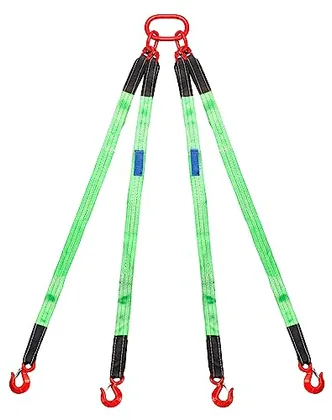
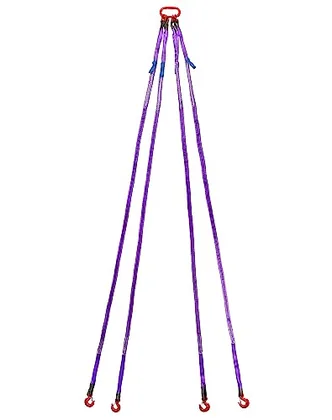
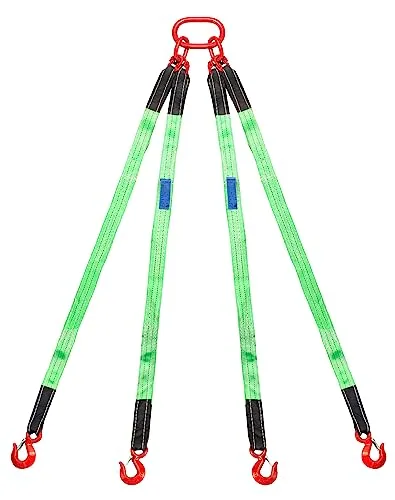
5Ft Chain Sling
4.3(10)5 ft13,220 lballoy steel
$69.97

QWORK
| What we publish | In this department |
|---|---|
| Parts here | 100 |
| Prices | $5.97 to $69.97 |
| Sold as a shop pack | 55 |
| Stating a material | 56 |
| Stating a thread or bore | 10 |
| Stating a load or pressure | 33 |
| Stating full dimensions | 19 |
Pneumatic and automotive work share one rule: the part has to fit, and it has to hold up. We know this because we look at every spec before we put a part on these pages. A spark plug socket that slips on a 14mm plug but not a 16mm one is useless if you own both.
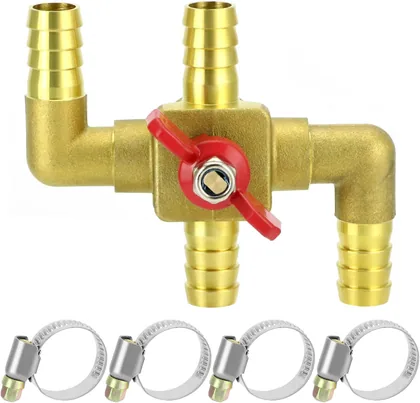
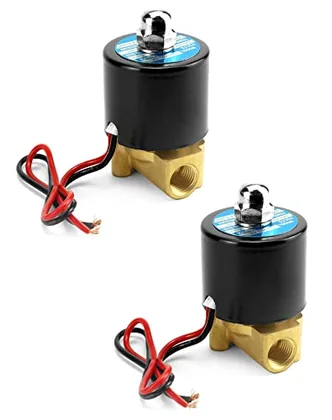
A heater valve with the wrong thread size will sit in your toolbox until you find the right vehicle for it. The numbers on the label matter here more than they do in most departments. We read them so you can trust them.
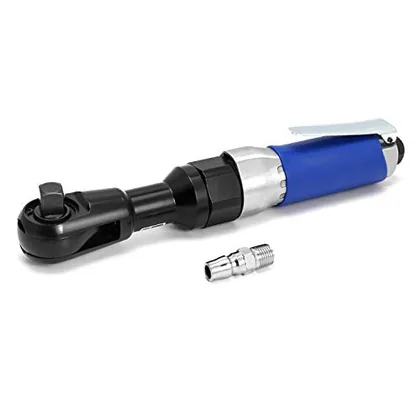
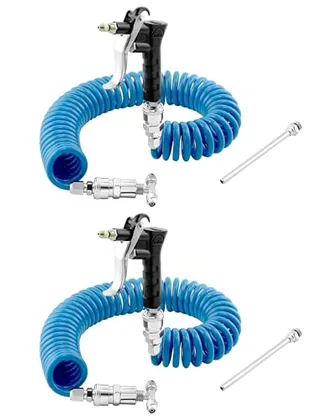
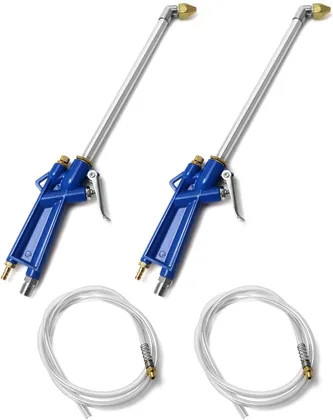
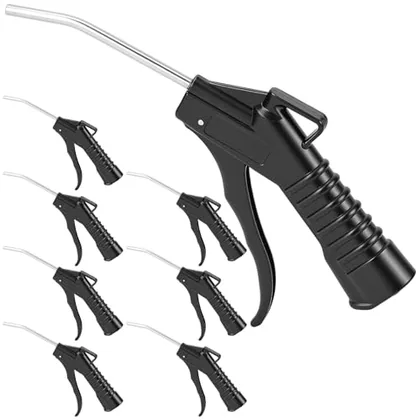
Air tools present their own choices. A blow gun with a fixed nozzle gets into tight spaces around an engine block faster than a longer hose can reach, but that same short gun leaves you stepping back and repositioning when you need distance.
The four-foot hose version trades some of that close-in agility for reach across a wider bay. Neither option is better on its face. It depends on whether you spend your day leaning over fenders or standing back while you clean. We stock both because shops run differently.
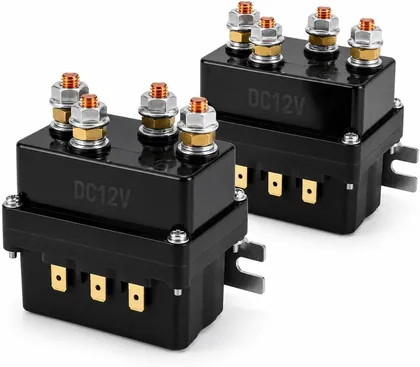
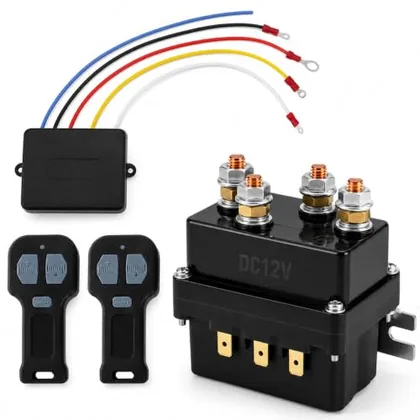
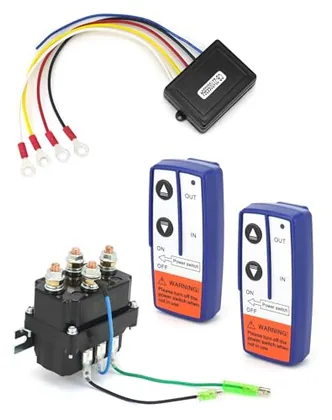
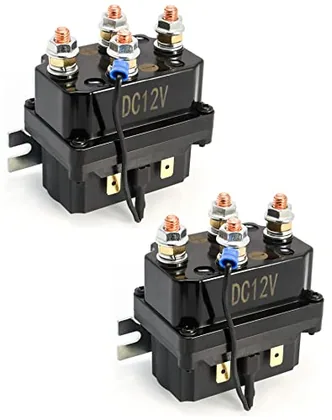
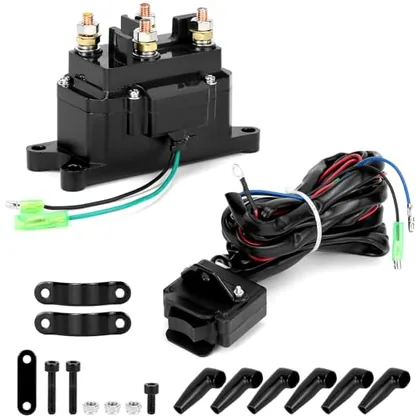
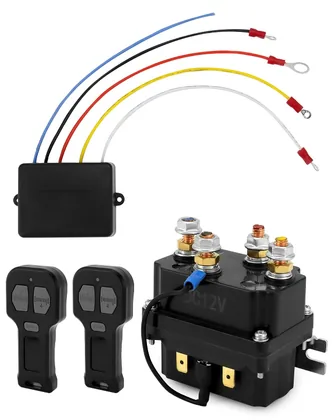
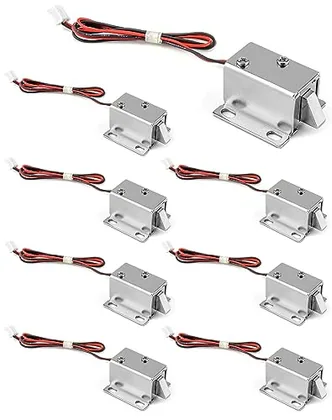
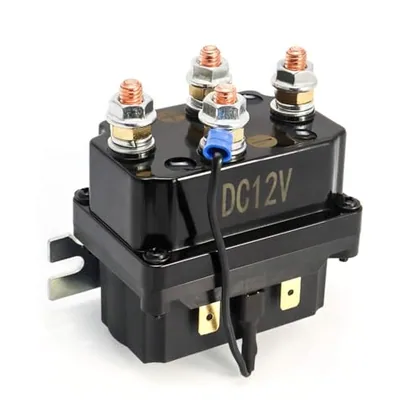
Electrical parts ask you to check twice. A solenoid relay carries a rated load, and that rating tells you whether it can handle your winch or compressor without overheating. But the terminal layout matters just as much: does it match your existing wiring harness, or will you crimp new connectors? The wireless remote kit removes one wire from that equation, yet it introduces a battery and a receiver that both need to stay dry. Every solution here creates a small problem to solve alongside the big one.
Measure what you can before you order. Thread diameter, fitting orientation, hose inner diameter, voltage range. Write it down. Compare it to the specification we print on each card. If the numbers line up, the part will do what you need it to do. If they do not, send it back and try the next size. That is how this department works best: match the spec to the job, then let the tool prove itself.
We source these parts from suppliers who make them for professional use. We test samples at our own desks before we list them. We check thread pitches against calipers and load ratings against the numbers stamped on the metal. When something looks right on paper but fails when we handle it, we do not carry it. Our goal is to give you a shelf of parts that work the first time, at a price that lets you keep spares on hand.