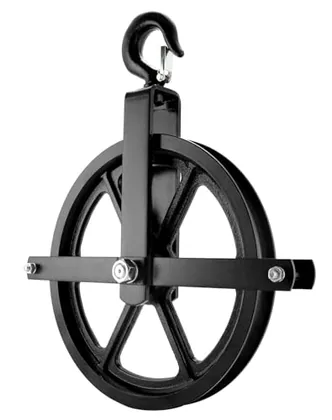
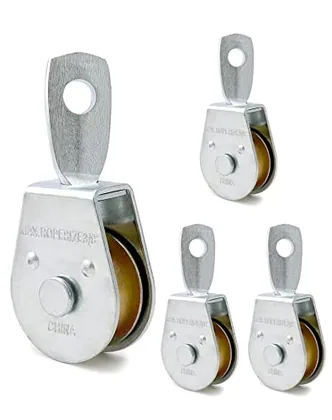
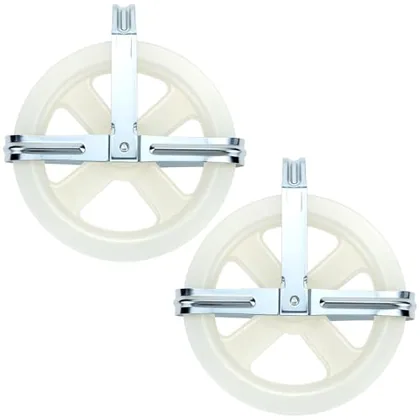
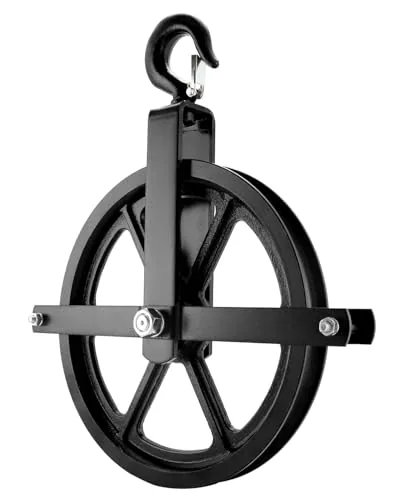
Scaffolding Wheels
4.3(24)12 in1,000 lbcast iron
$70.97

QWORK
| What we publish | In this department |
|---|---|
| Parts here | 34 |
| Prices | $8.47 to $70.97 |
| Sold as a shop pack | 17 |
| Stating a material | 27 |
| Stating a thread or bore | 13 |
| Stating a load or pressure | 16 |
| Stating full dimensions | 1 |
Power transmission parts sit at the center of a machine. They move force from one place to another, and when they fail, everything stops. We stock 37 parts here, and most of them cost less than you might expect. But the real question is not whether a part fits your budget. It is whether it fits your job.
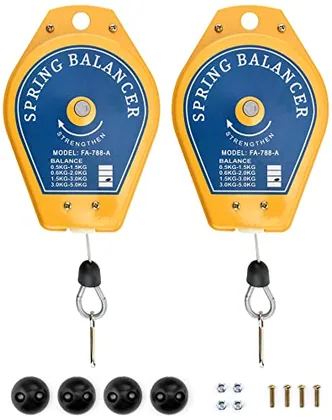
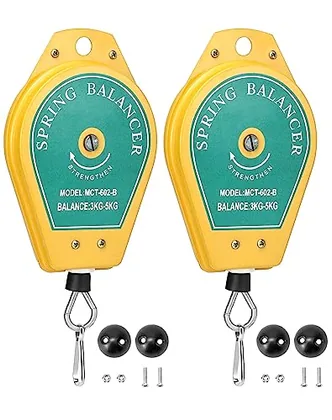
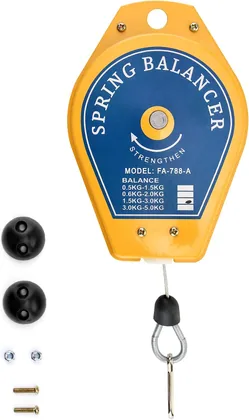
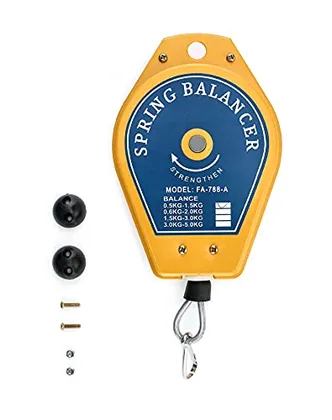
Spring balancers make up a good portion of this department. You will see several models with different load ratings and stroke lengths. The cheaper ones handle lighter tools. The pricier ones take more weight and give you a longer reach.
Before you pick one, weigh the tool you plan to hang on it, including the hose or cable if there is one. Then check that the rated capacity covers it with some room to spare. A balancer running at its limit all day will wear out faster than one that has margin left.
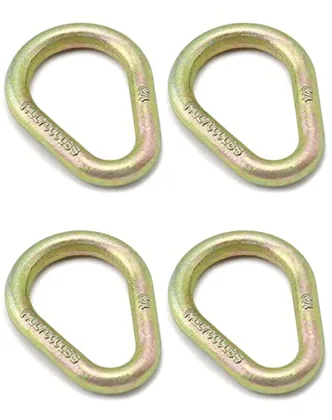
The pear links for wire rope work differently. These connect rope ends to fittings, and the size of the rope matters more than almost anything else. Measure the diameter of the rope you have, not the one you think you have.
A fraction of an inch off means the link will either slip or bind, and neither outcome helps you on site. We also carry packs of flat bar stock in set dimensions for fabricating brackets, spacers, and shims. Check the length and thickness against what your assembly calls for before you order.
Specifications tell you what a part can do in ideal conditions. They do not always tell you how it will hold up under daily use with oil, dust, or repeated impact. We source these parts globally and check samples against their printed ratings. If something does not measure up when we test it, we do not add it to our catalog. That does not mean every choice here is right for every application. It means the numbers on the page are numbers we have verified ourselves.
Measure twice. Match the load rating to the actual working weight, not the nameplate weight of your equipment. Not sure whether a spring balancer or a fixed mount suits your station? Start with what you know. How often you lift the tool, how far it has to travel, and whether your wrists would rather hold it steady or let it float.