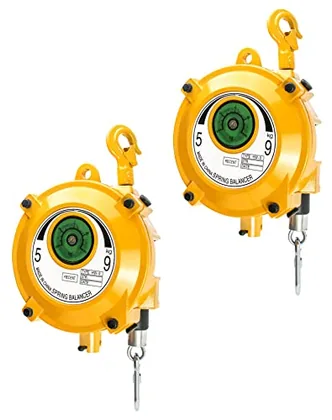
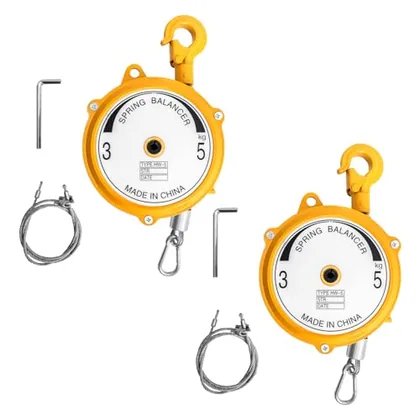
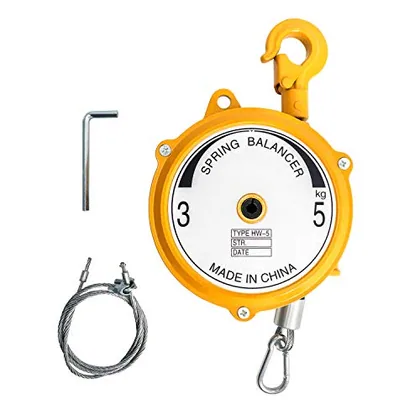
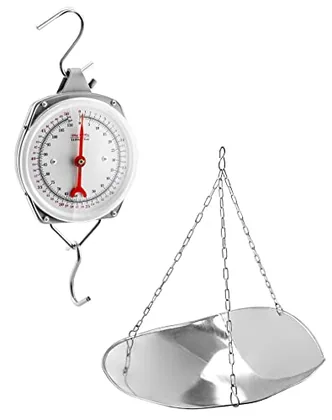
Spring Balancer
3.8(6)pack of 25 ft19 lb
$123.972 in the pack

QWORK
| What we publish | In this department |
|---|---|
| Parts here | 139 |
| Prices | $6.47 to $123.97 |
| Sold as a shop pack | 106 |
| Stating a material | 109 |
| Stating a thread or bore | 13 |
| Stating a load or pressure | 62 |
| Stating full dimensions | 22 |
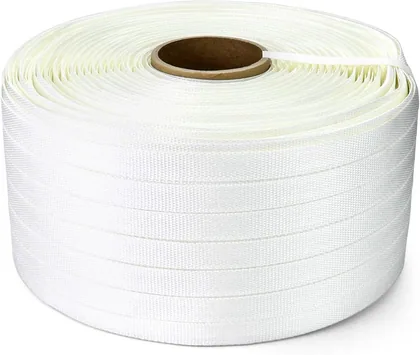
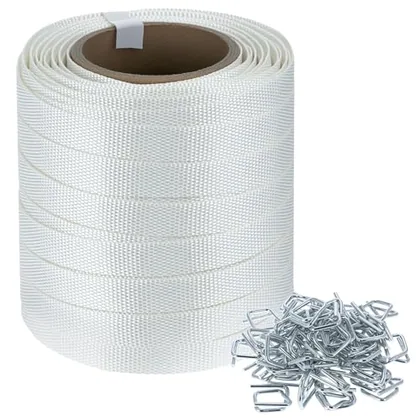
Material handling is where the job either runs smooth or it doesn't. You are moving things, securing loads, lifting what needs to go up. The parts in this department cover a lot of ground, from woven cord strapping that stretches across pallets to small metal seals that lock steel bands tight. We keep 122 items here because the work asks for that many options, not because we like filling shelves.
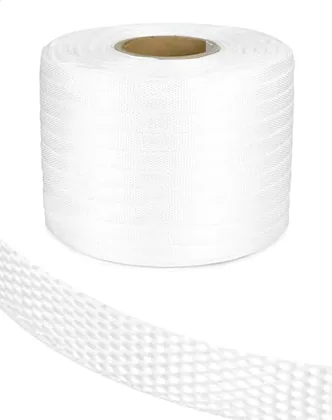
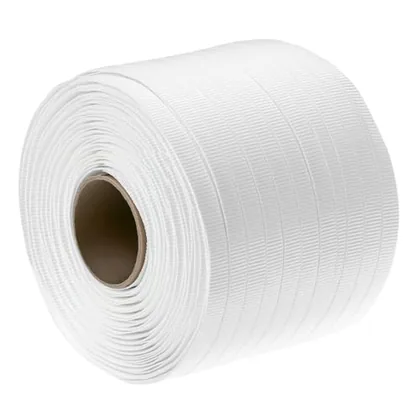
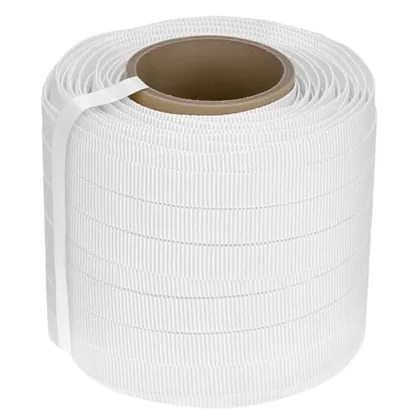
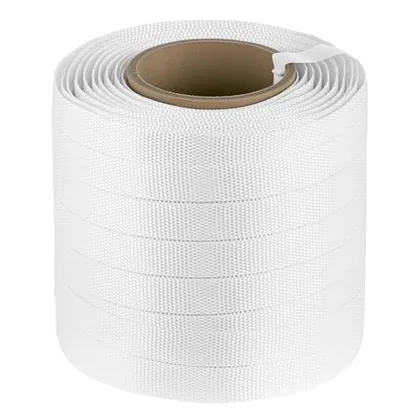
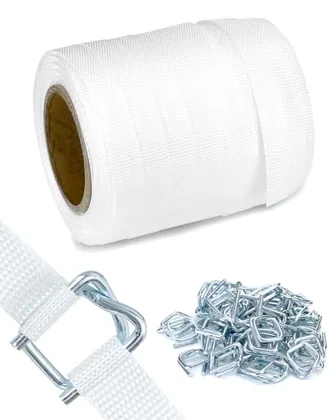
When you pick strapping, you face a choice between steel and woven cord right away. Steel does not give. It holds sharp edges and heavy industrial loads without stretching an inch. Woven cord absorbs shock, so if your load shifts on the road, the strap gives a little instead of snapping. Neither one is better in general. One fits the job. The other doesn't. Check what you are actually strapping before you decide.
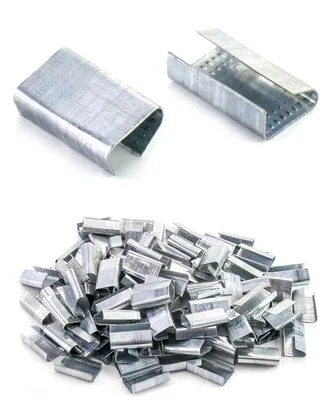
Seals and clips seem minor until they fail. A thousand-pack of half-inch steel strapping seals costs less than you might expect, but each one has to crimp cleanly around the strap. We look at the metal thickness when we evaluate these packs because thin clips deform under the tool and leave you with a loose band. If you run a manual sealer, the clip quality matters more than the price per thousand.
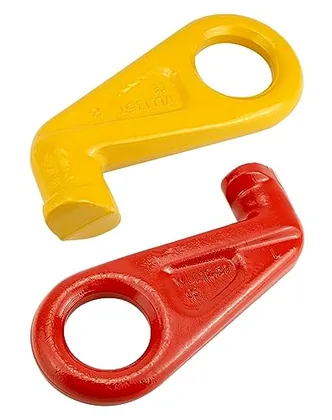
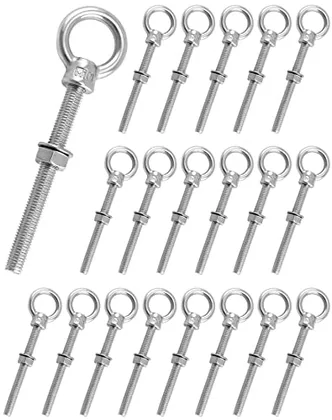
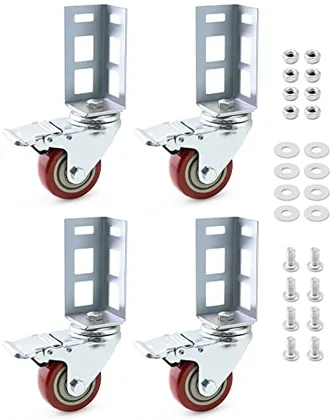
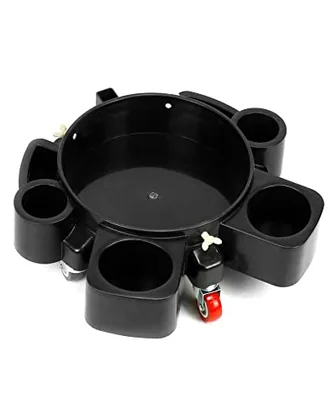
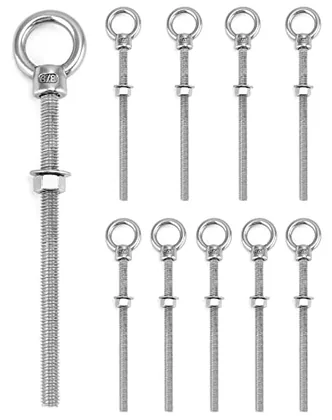
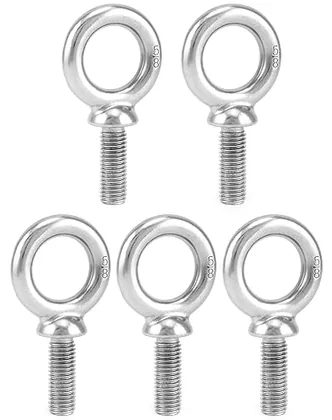
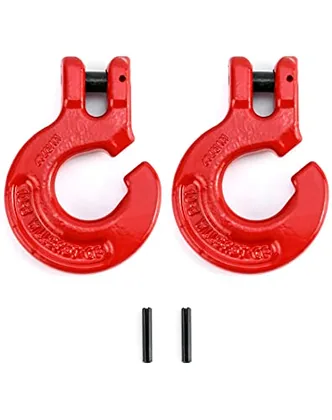
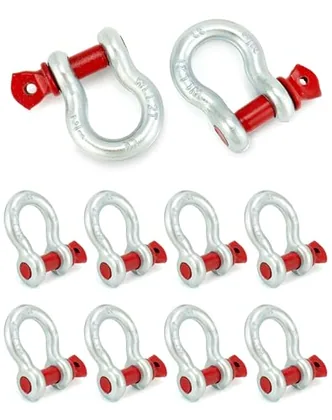
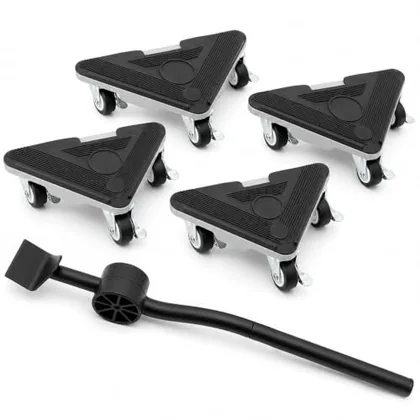
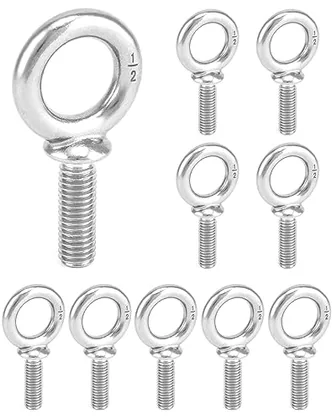
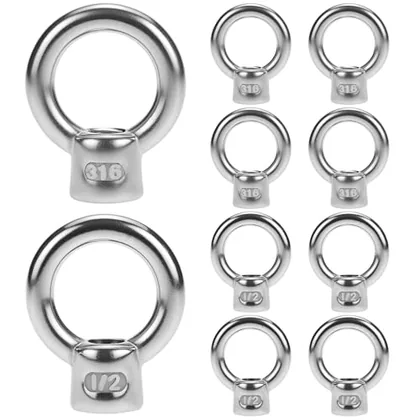
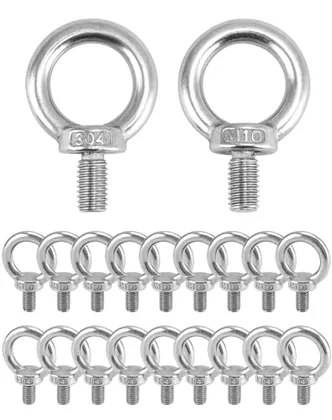
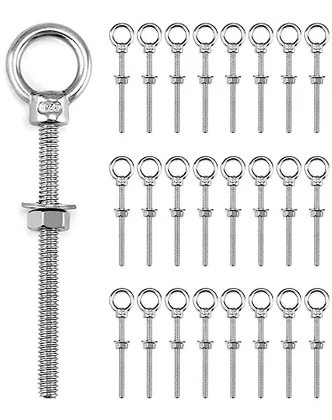
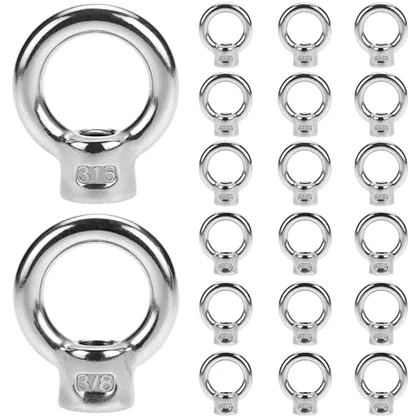
Dollies and lifting hardware ask you to measure twice. That six-inch steel tri-dolly moves flat loads well, but only if the feet clear the ground when your item sits on the deck. Lifting eye nuts thread into tapped holes, so you need to match the thread size and confirm the shank length will seat fully. A nut that bottoms out before the shoulder touches down carries far less than the rating printed on the head.
Read the load ratings as minimums, not targets. We check those numbers against the specs stamped on each piece when we sample new stock. If the label says one thing and the part says another, we do not carry it. Measure your actual load, add a margin for the way you will use the equipment day to day, then order what fits.