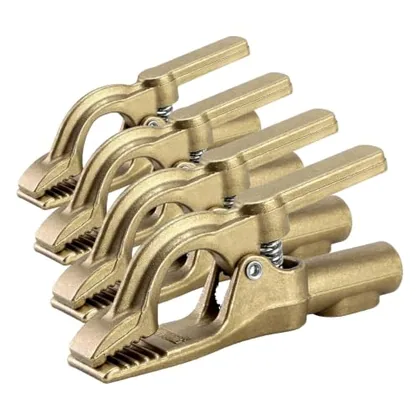
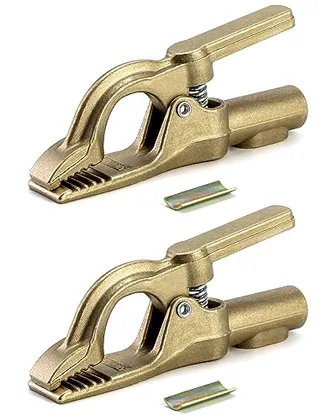
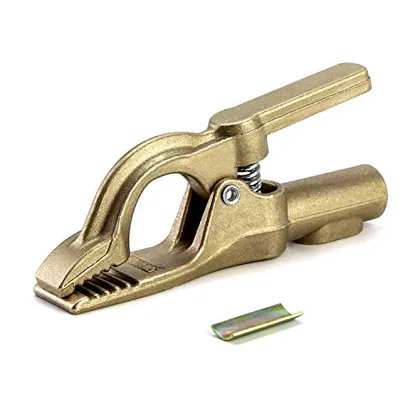
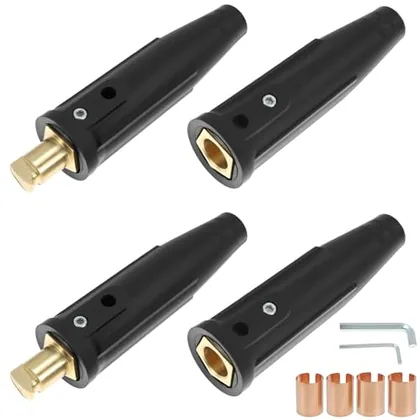
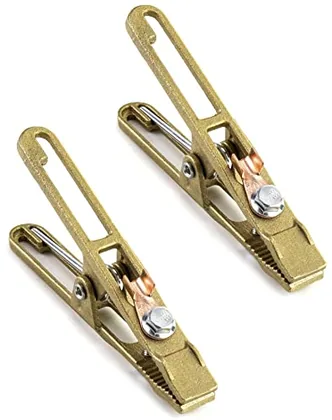
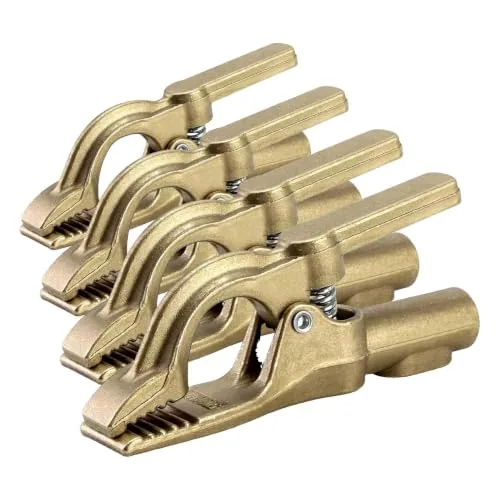
Welding Bronze Ground Clamp
4.4(145)500 Abrass
$111.88

QWORK
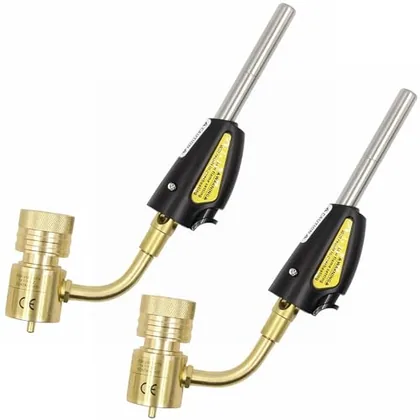
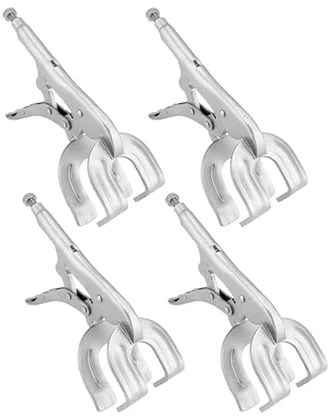
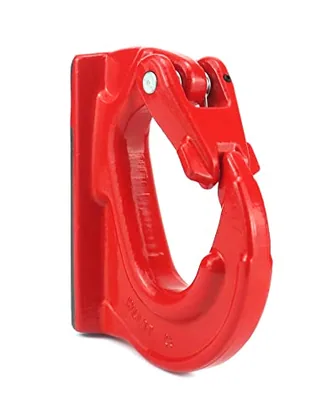
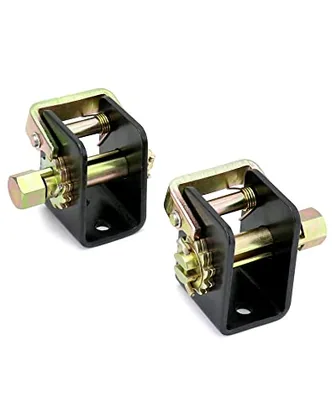
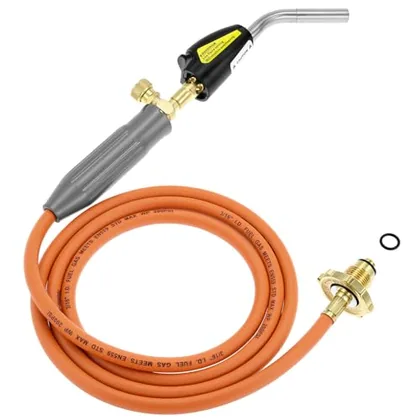
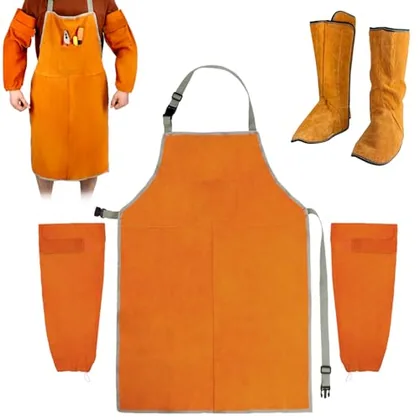
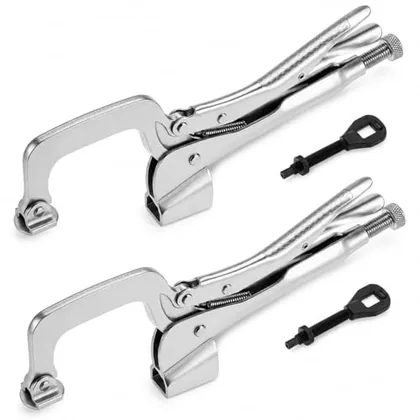
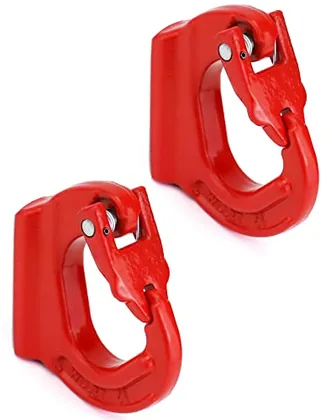
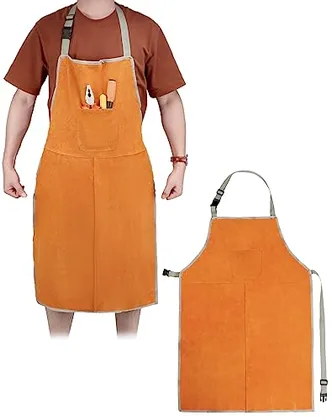
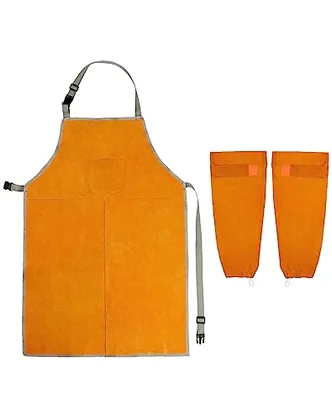
| What we publish | In this department |
|---|---|
| Parts here | 72 |
| Prices | $5.97 to $111.88 |
| Sold as a shop pack | 34 |
| Stating a material | 58 |
| Stating a load or pressure | 6 |
| Stating full dimensions | 9 |
Welding and soldering work is mostly about holding things where you want them. The heat does the joining. Your clamps, tweezers, and fixtures do the positioning. If a part shifts while you work, you stop and start over. That costs time on a small job and money on a large one. We put together this department so you can match the right tool to the material thickness and the joint type you handle most often.
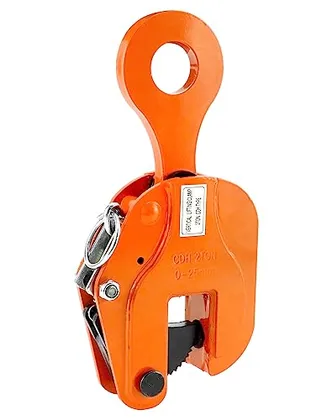
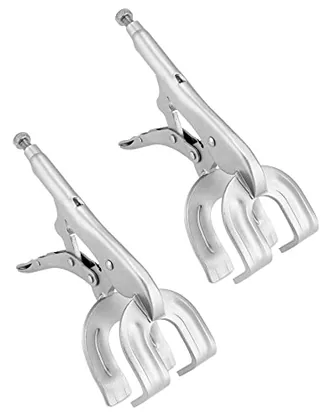
The hardest call in this section is usually load versus reach. A 2-ton vertical lifting clamp will grip plate that would slip out of lighter locking plliers, but it takes more space to set up and weighs more to carry around a job site.
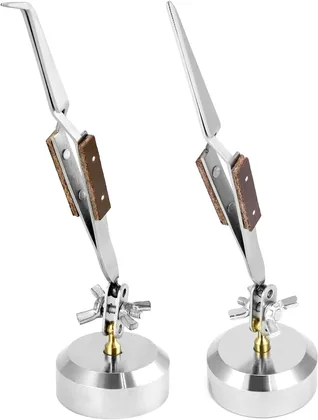
A third-hand tweezer gives you fine control for electronics and light wire work, yet it cannot secure sheet metal for a butt weld. Read the jaw width and the stated capacity before you order. We check those numbers against what is stamped on each piece when we evaluate a new line.
Material matters too. The steel alloy in a clamp determines whether it keeps its shape after repeated heating cycles. Some tools are built for occasional home use, others for daily shop duty. Neither is better by itself. The question is which one fits how often you will use it. If you weld thin stainless several times a week, a clamp with hardened jaws will last longer than one designed for mild steel on weekend projects.
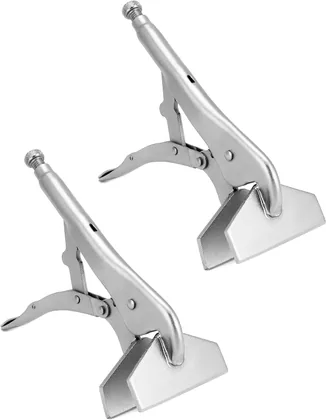
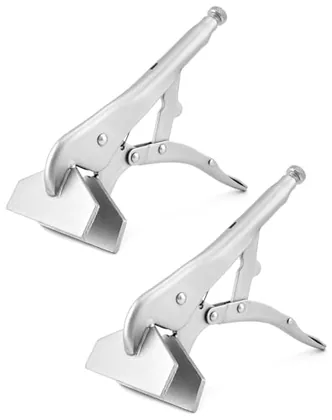
Measure the space you have. An 11-inch bench clamp with quick release speeds up changeovers when you switch between parts of different sizes, but it needs clearance under your work surface. A 10-inch flat jaw locking clamp sits lower and fits into tighter corners. Think about what you are actually welding or soldering, not just what looks like a good addition to the drawer.
We source these tools globally and test samples at our own tables before we add them to our catalogue. If a tool does not perform as its specification claims, we do not stock it. You can trust the ratings we list because we verify them with calipers and load tests, not by reading a brochure.